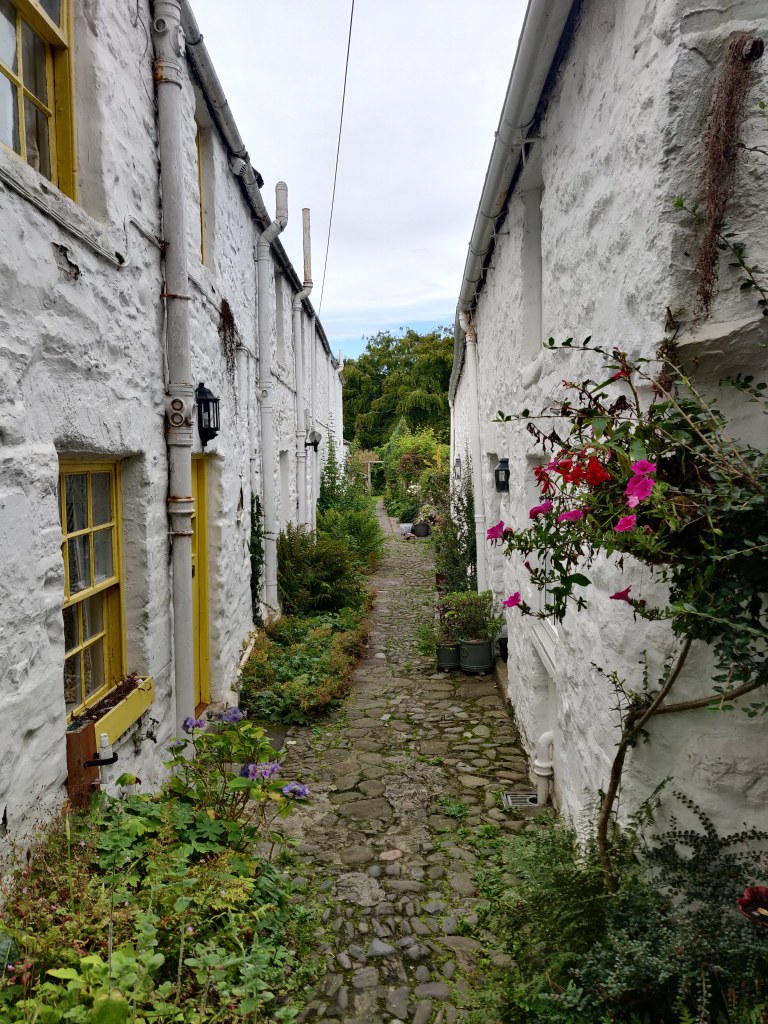
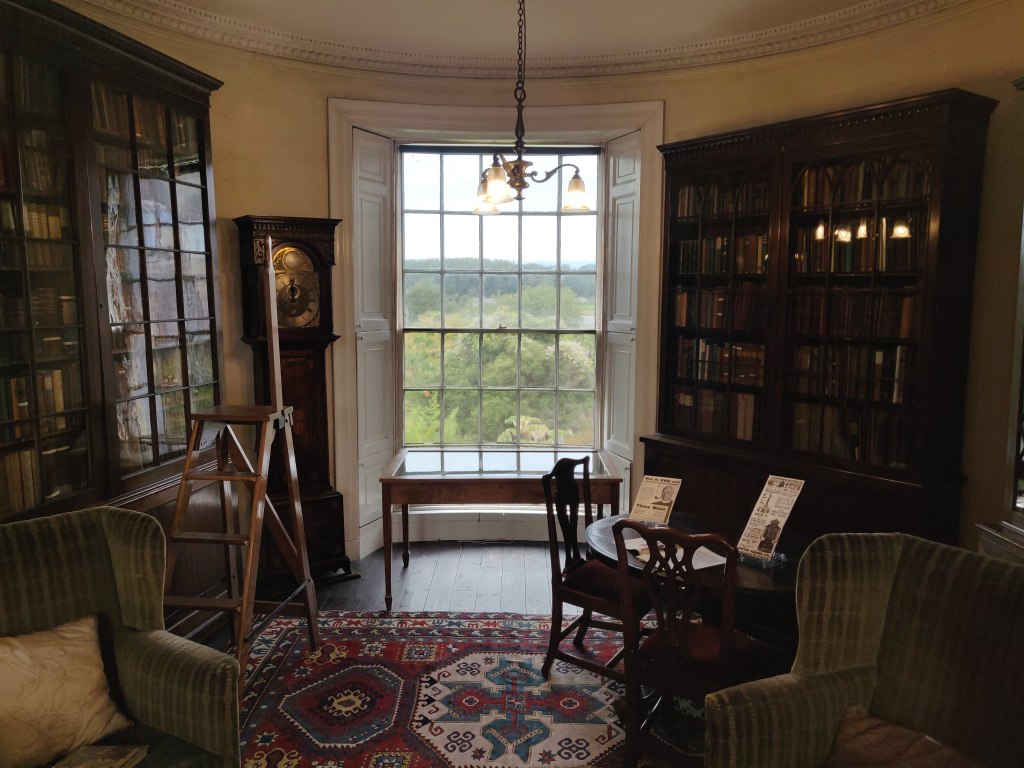
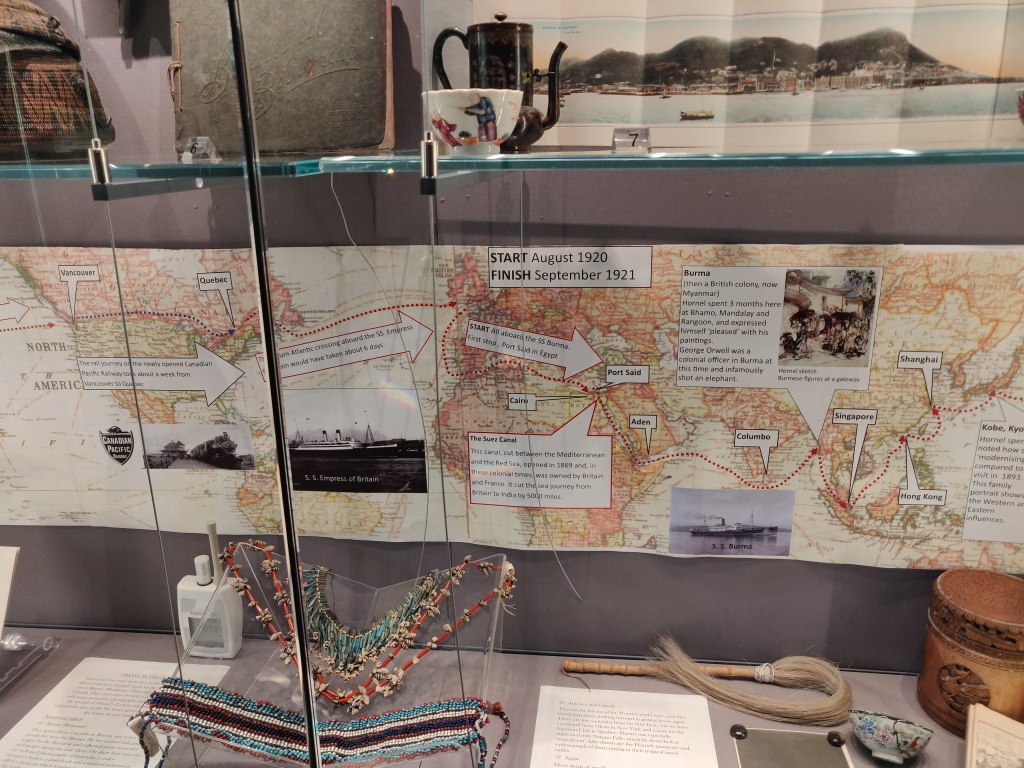
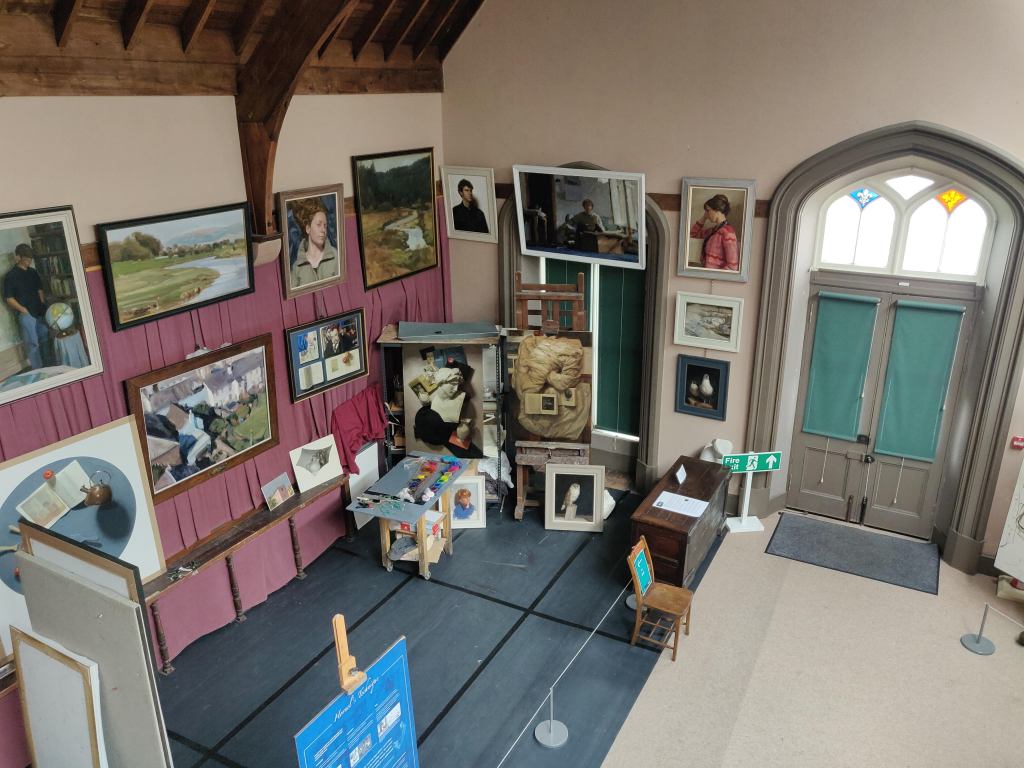
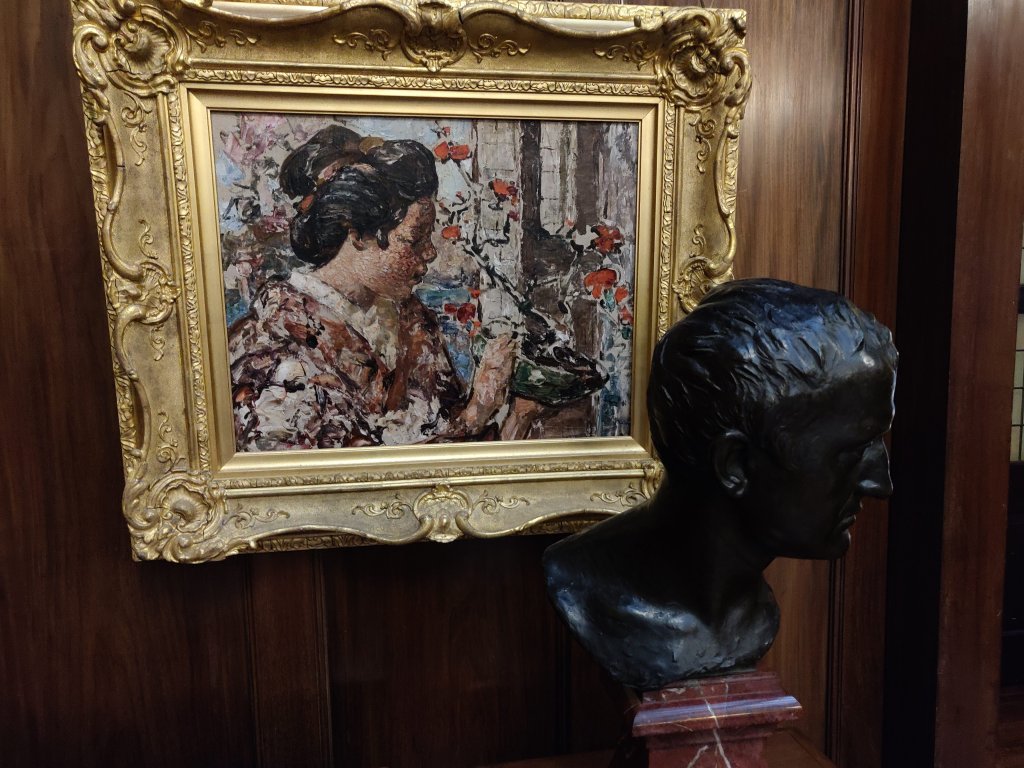
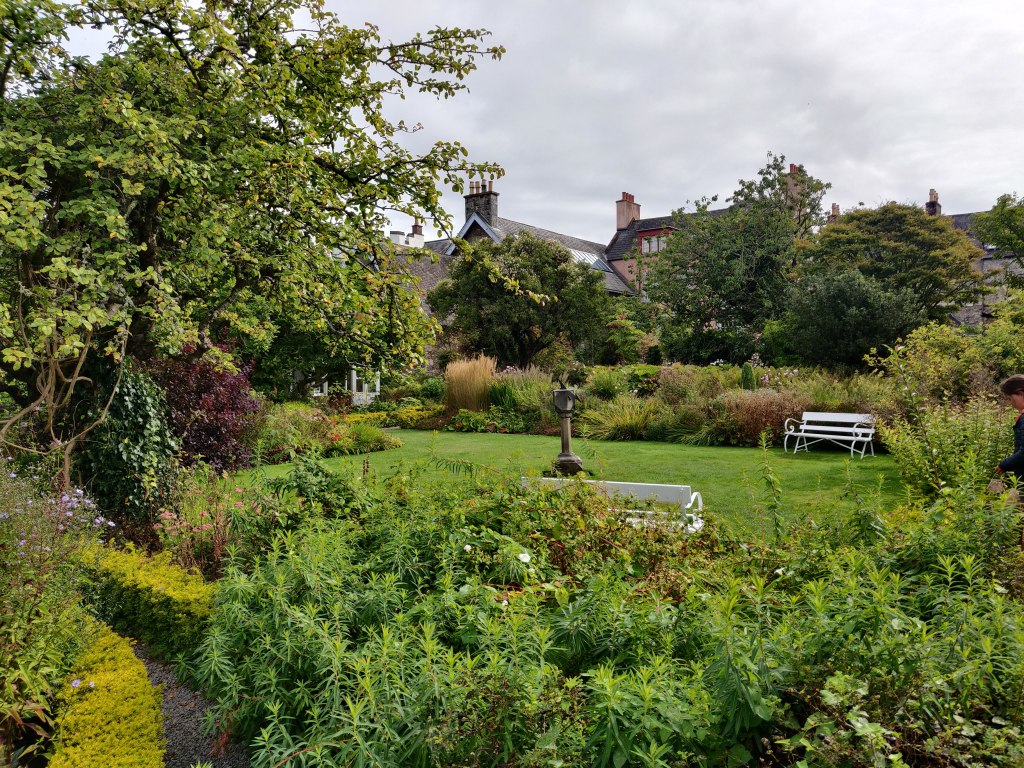
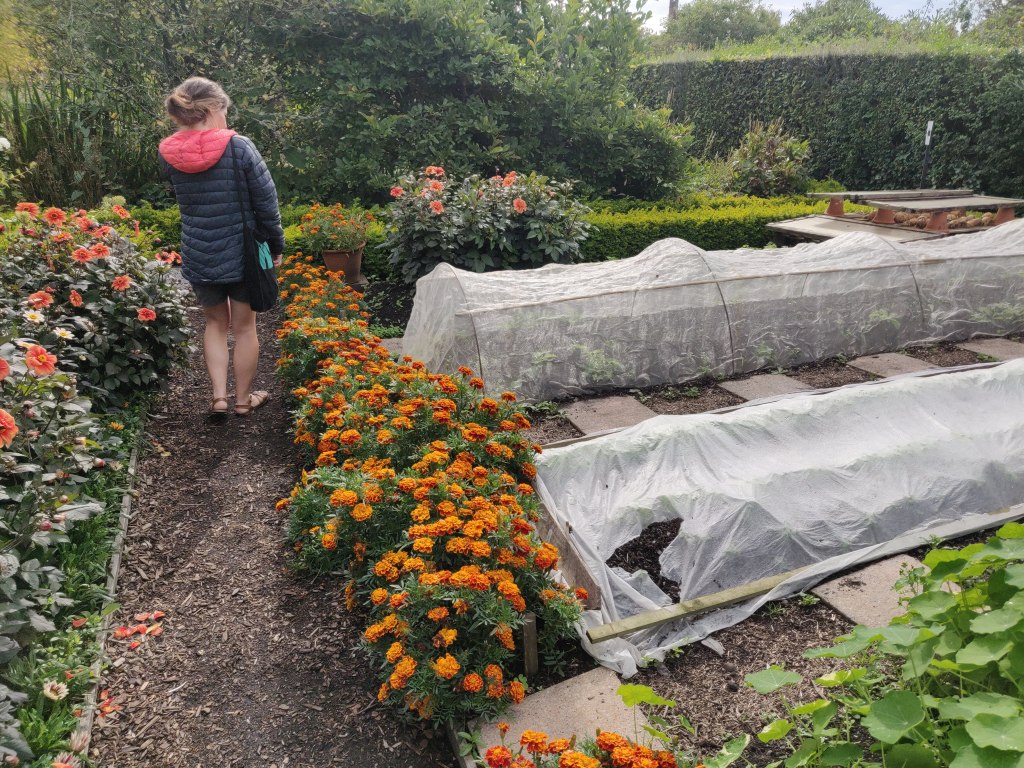
On Sunday 12th September 2021, we packed up camp and wandered down to explore Kircudbright. Home to an artists’ collective, with galleries and museums scattered about. We spent an hour at Broughton House, the home of ‘Glasgow Boy’ Hornel, in a Japanese garden, inspired by his travels to Japan, and filled with painting and sculptures.
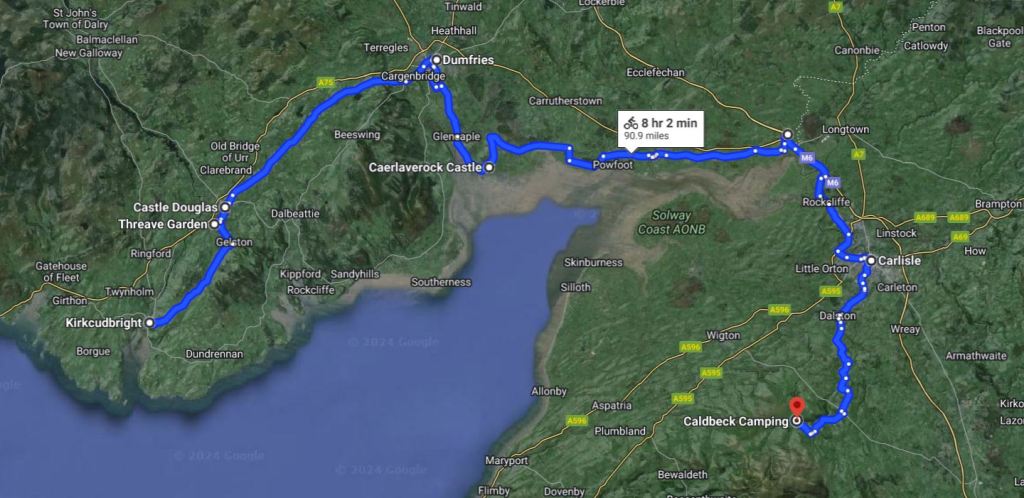
At noon we returned to Silver Craigs campsite to collect our bikes and set off onto route 7 once more, heading northeast along the B727 roughly parallel to the River Dee, to Castle Douglas. We climbed steadily up to 120m and then up and down for 10km past Black Stockarton Moor.
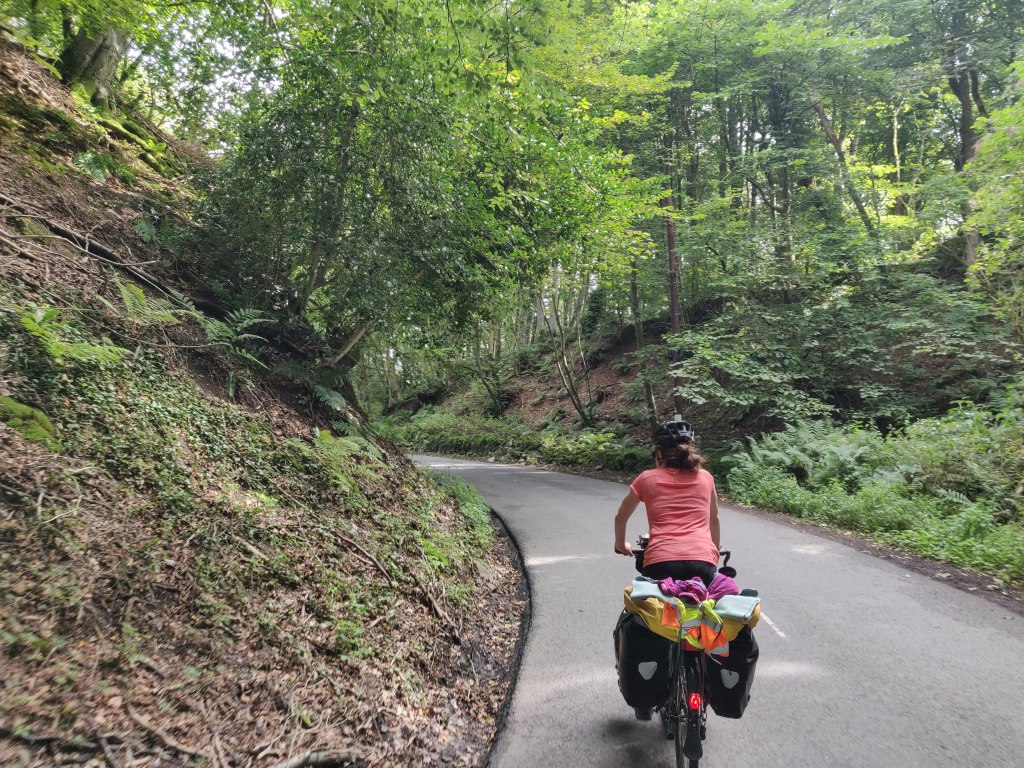
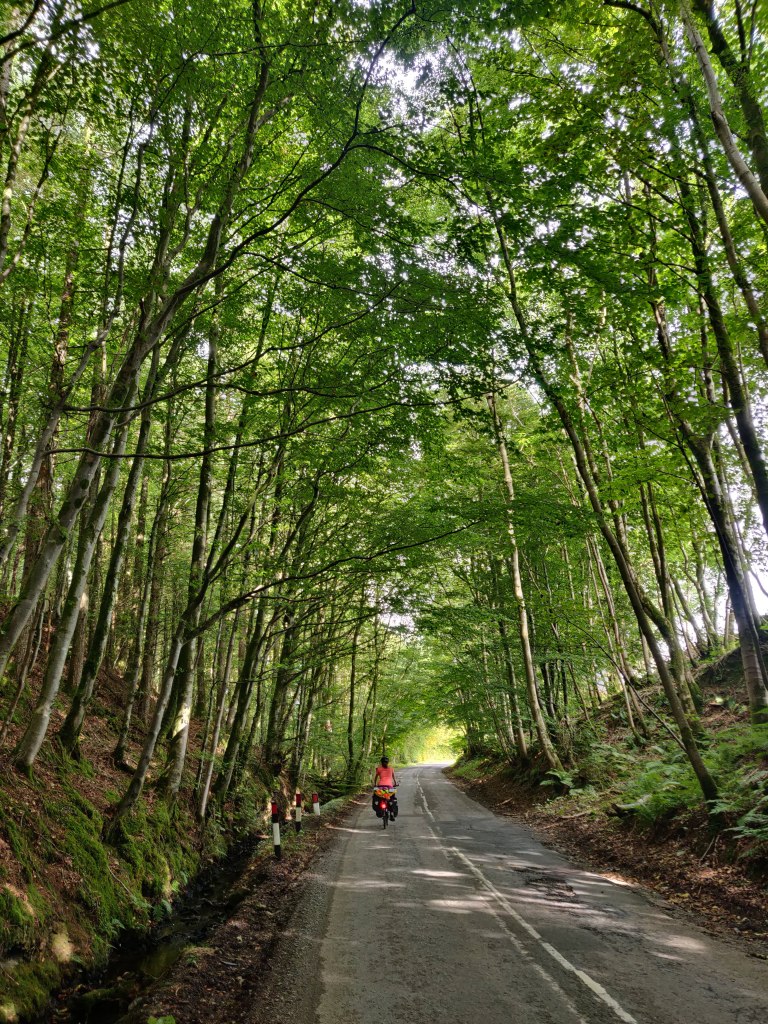
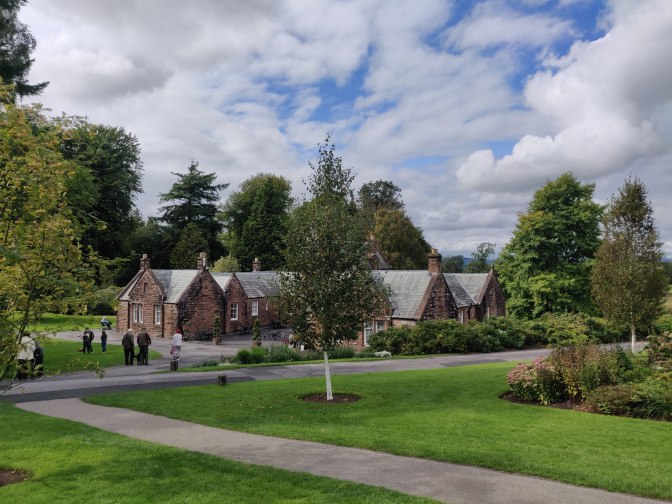
At Gelston we turned off north down to Carlingwark Loch, detouring by NT Threave Garden for lunch. After a quick look around the gardens we continued to Castle Douglas, chancing upon a farmers market where the founder of a new distillery in the Borders told us all about his venture and insisted we try some Moffatt single malt blend. We stocked up on some local cheese before continuing onwards to Dumfries.
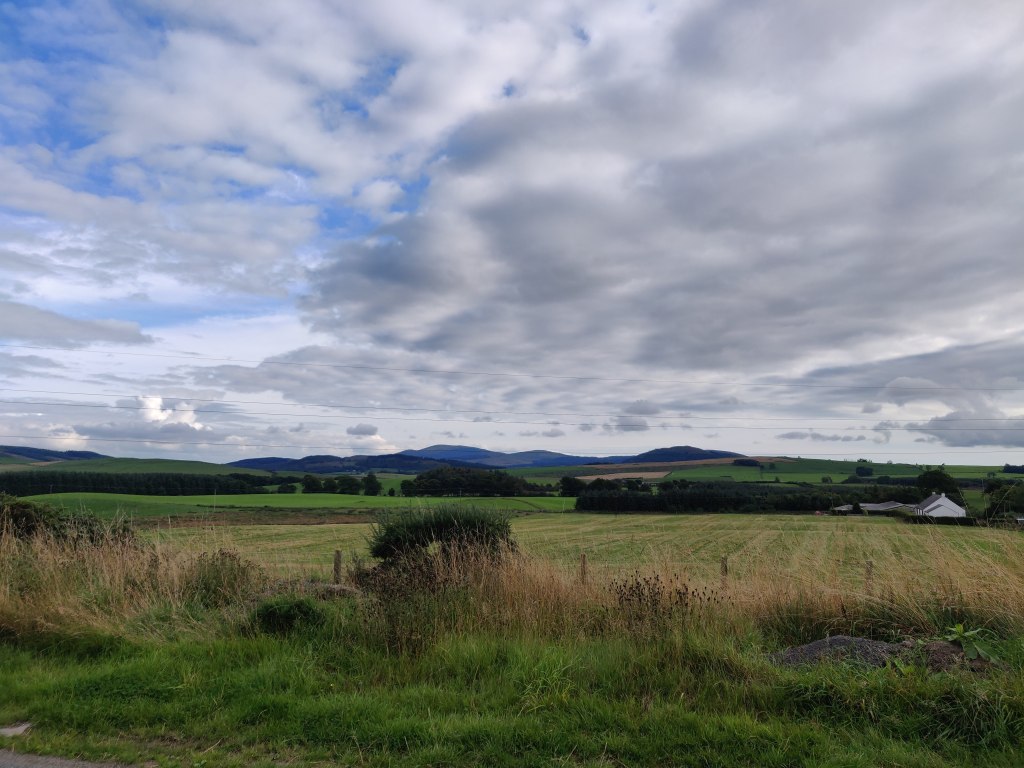
Route 7 continued northeast along the Old Military Road, up and down across Urr Water past Haugh of Urr, and then climbing steadily up Barnbackle Hill, 184m ASL. The countryside was pastoral with low hills, woods and cow fields bordered by stone walls. The occasional buzzard was being mobbed by crows.

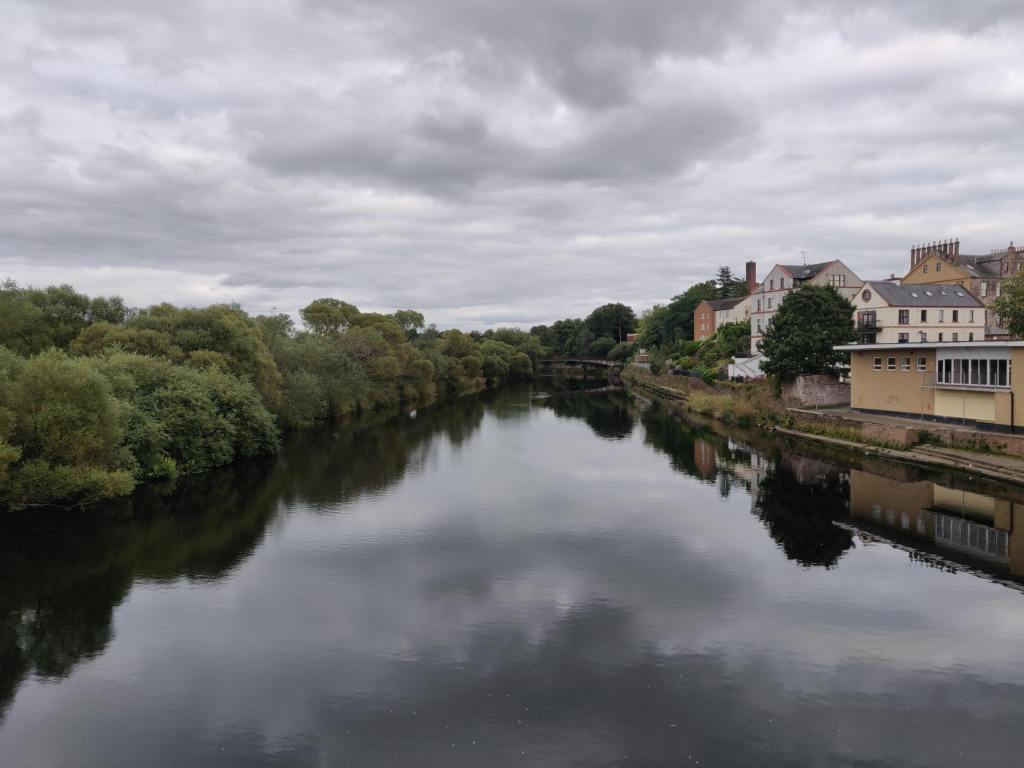
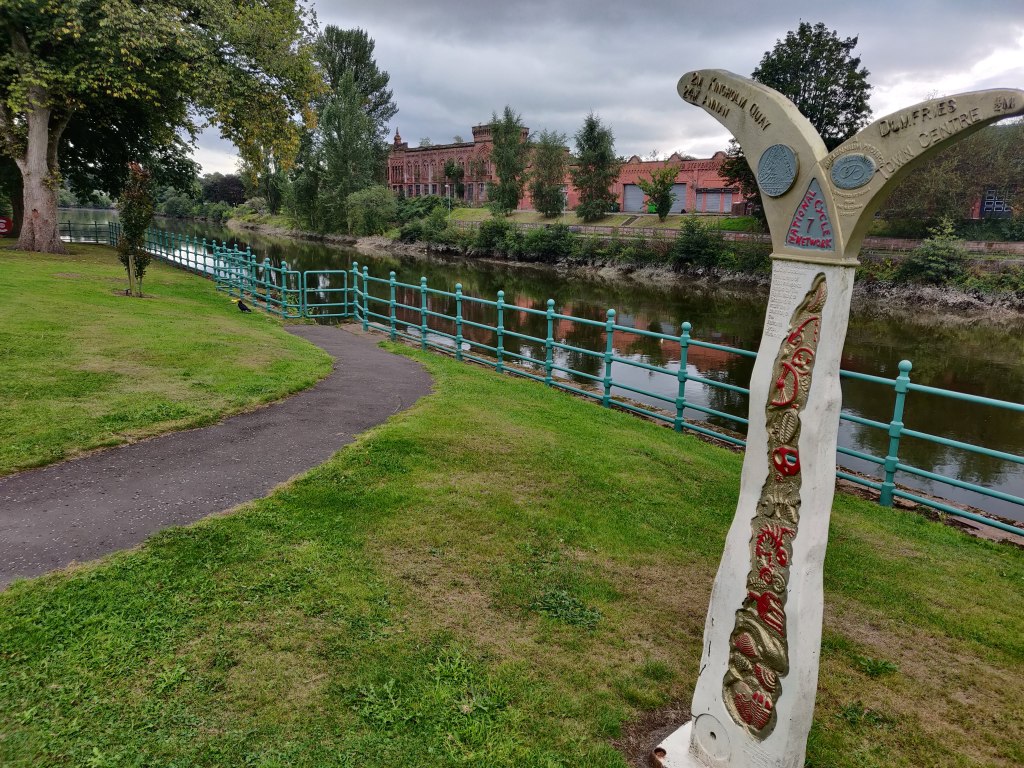
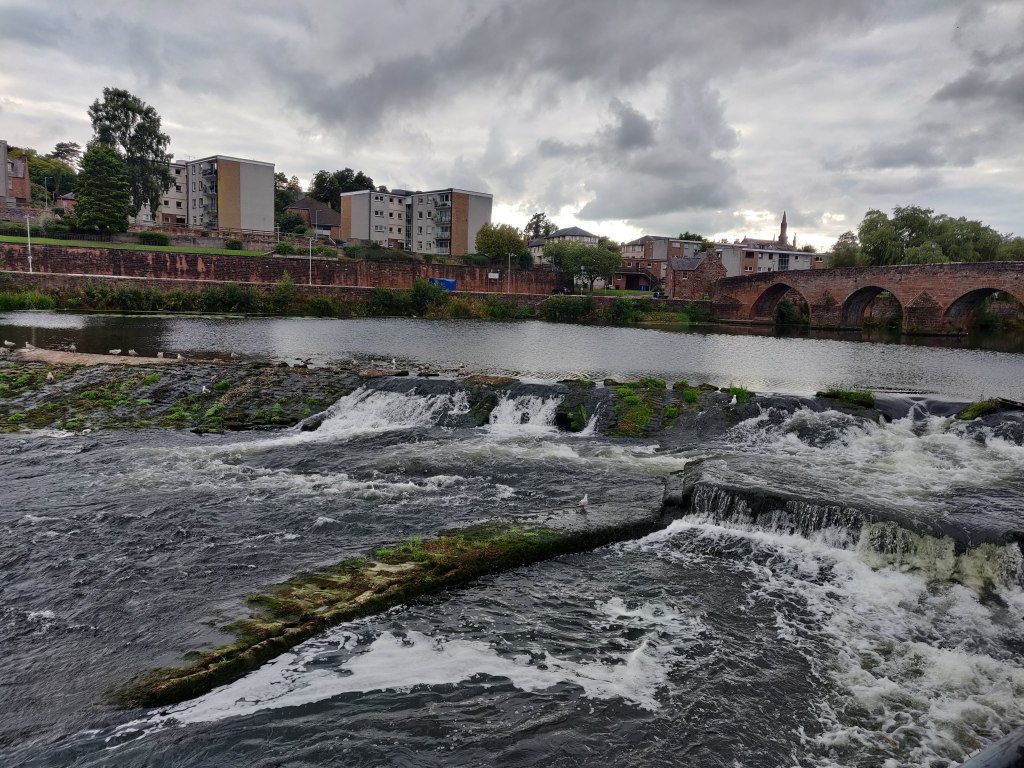
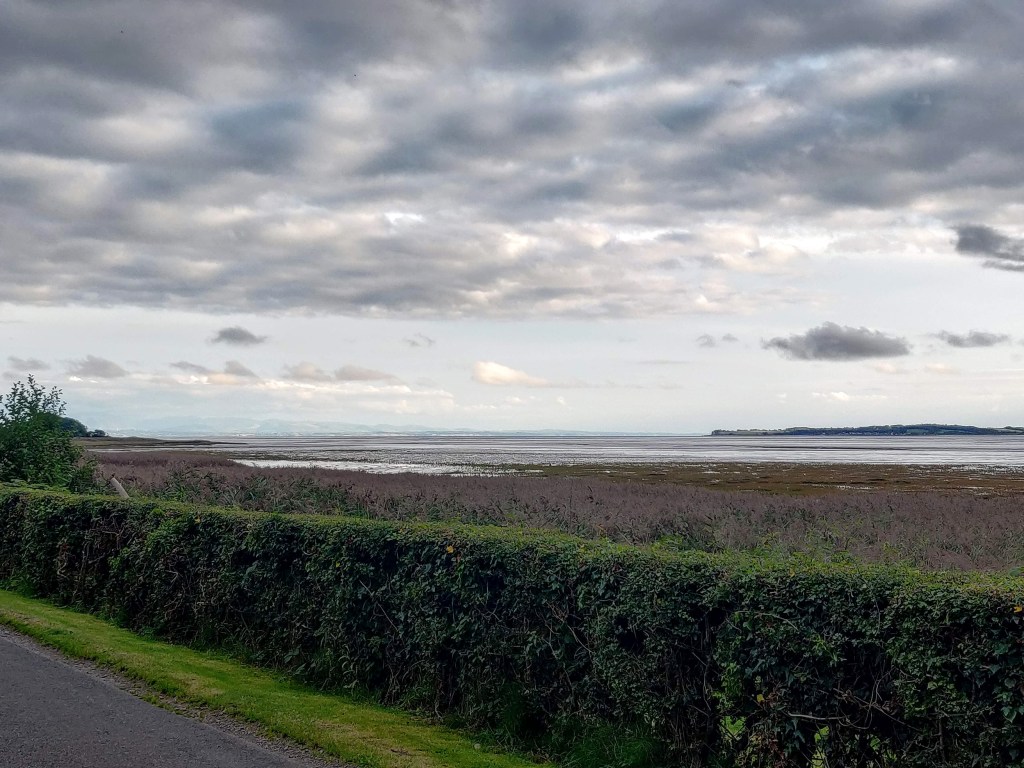
We descended into Dumfries along cycle paths at 5.30pm, and across the River Nith. No time to stop, we turned south along the river path for a couple of miles, past weirs, red brick bridges and old factories, and then along the B725 to the Nith Estuary and Solway Firth, with the occasional yacht haven some way inland.
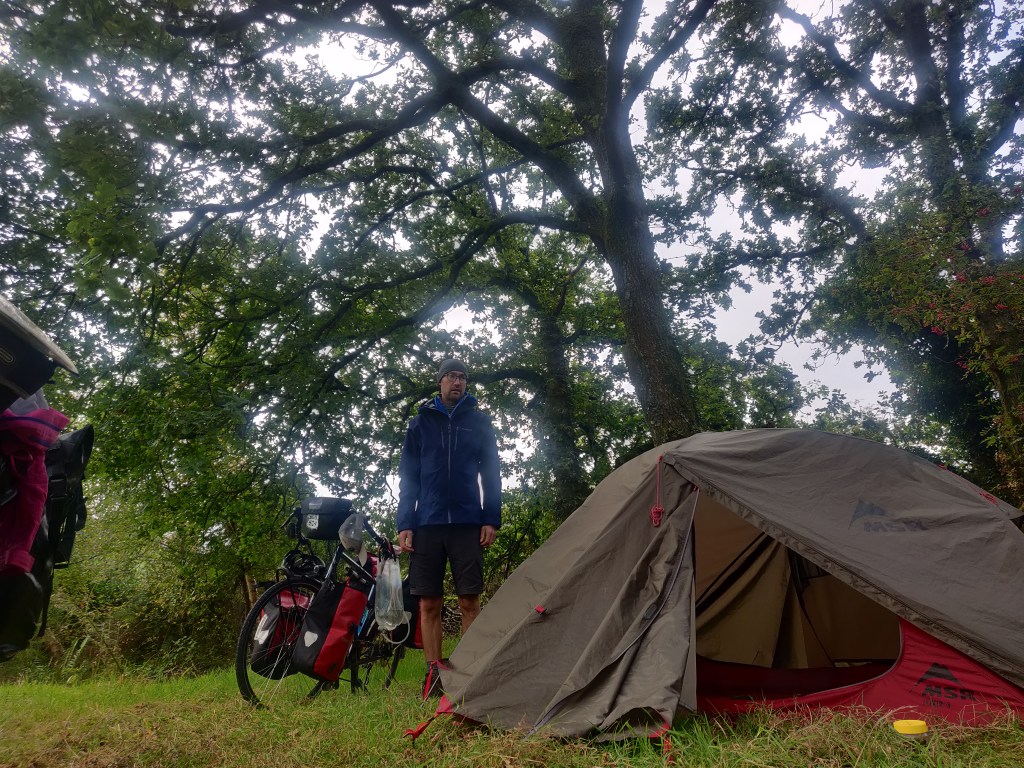
At 6.30 we found our way to a picnic spot near Caerlaverock Castle, with a parking area well used by motorhomes. We looked around for a spot to camp and initially set up by a picnic bench, where we set to making dinner. However the occasional car pulling up occupied by single men slowly driving around the car park made us slightly unnerved, and we decided to pitch our tent closer to the motor homes, well hidden in a clearing in some trees, and the night passed peacefully.
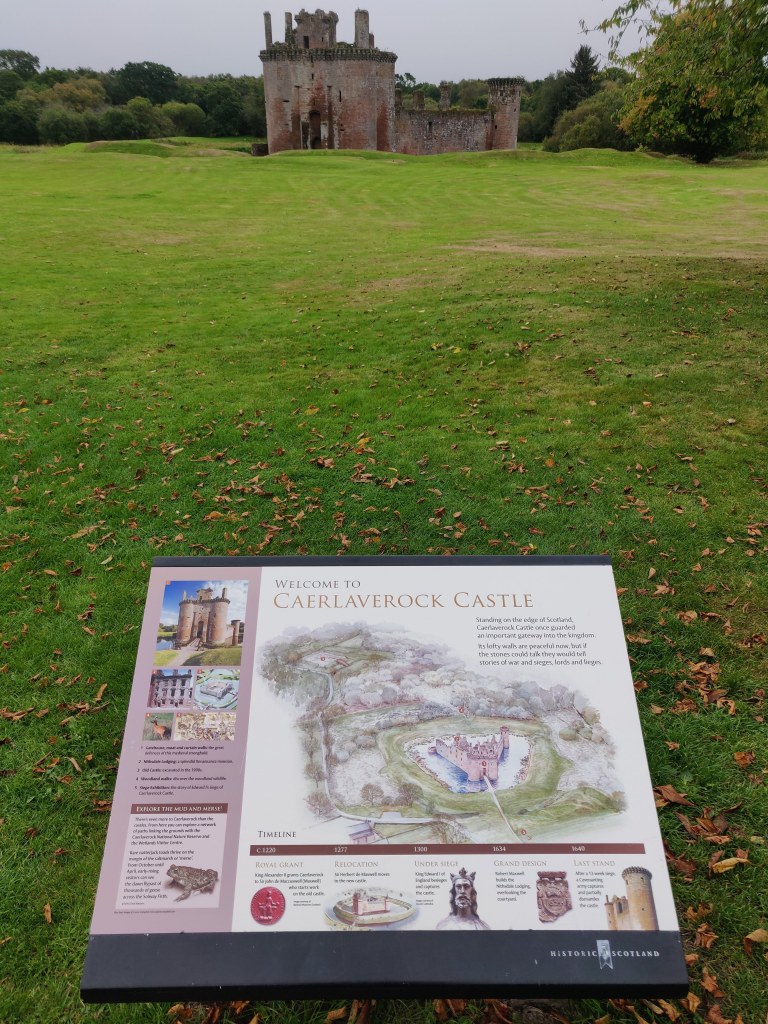
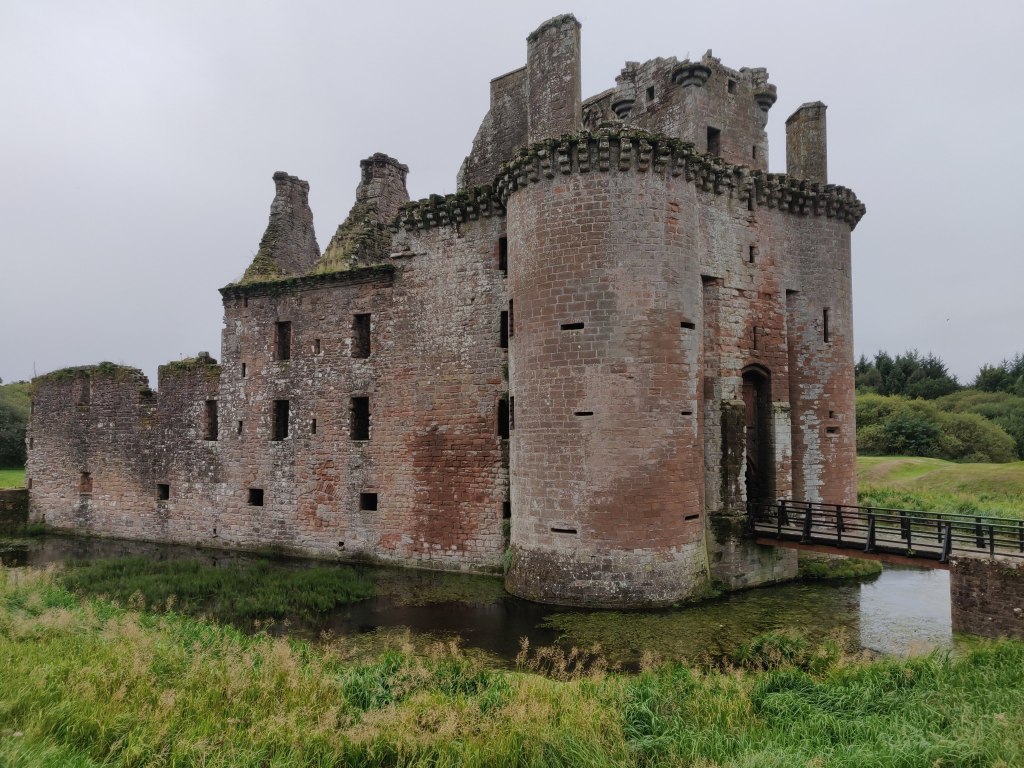
The next morning, Monday 13th September, we were up and on swiftly, away by 10am and straight to Caerlaverock Castle, an impresive ruin with dry moat all the way round. It had played a key role in the border skirmishes between Scotland and England from the Middle Ages.
From Caerlaverock route 7 roughly followed the B725, skirting the coast. We stopped for lunch at the Quarter Cake Cafe in Annan, sitting on a bench outside with schoolkids traipsing by to collect lunch from Aldi.
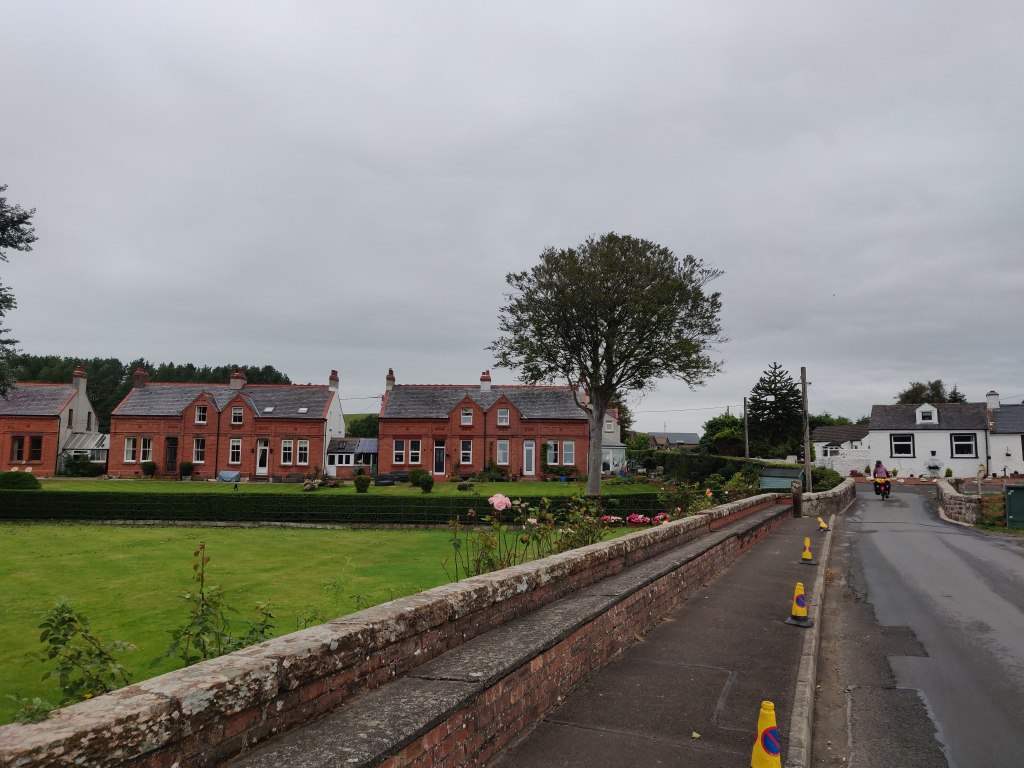
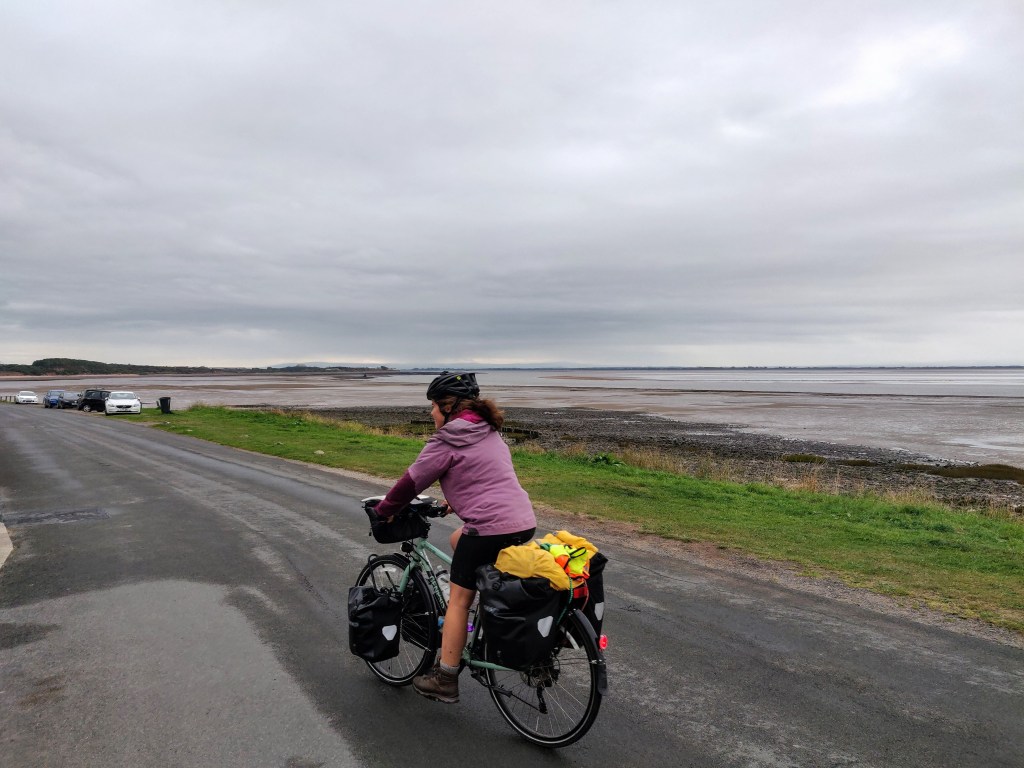
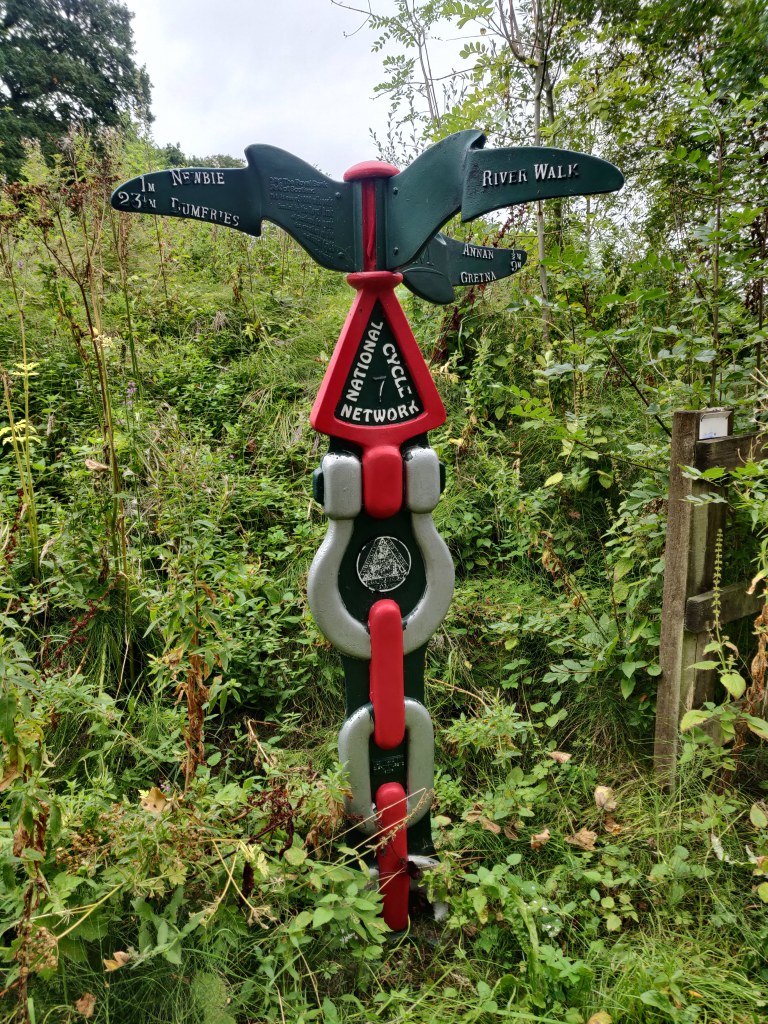
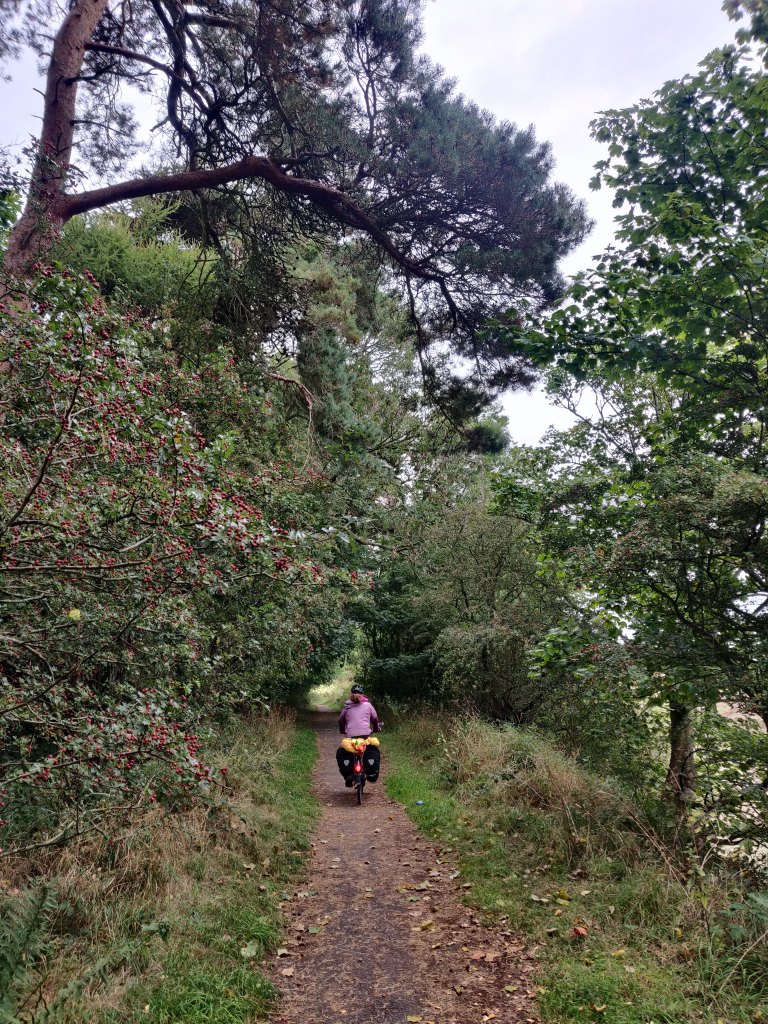
We continued east on and off the B271, largely flat all the way to Gretna. We arrived at the famous old Blacksmiths cottage at 3.45, just as white vintage Rolls Royce pulled up to collect the happy bride and groom. We were surprised to see it return 10 minutes later with the next bride. Weddings were turned around in quick time at Gretna Green.
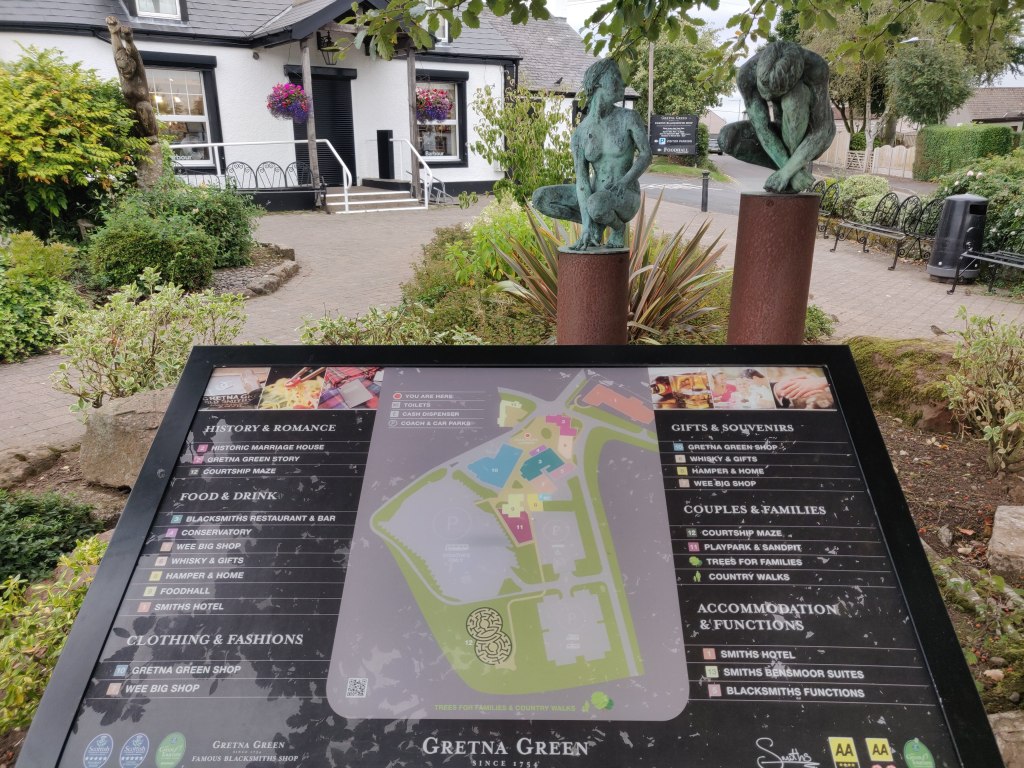
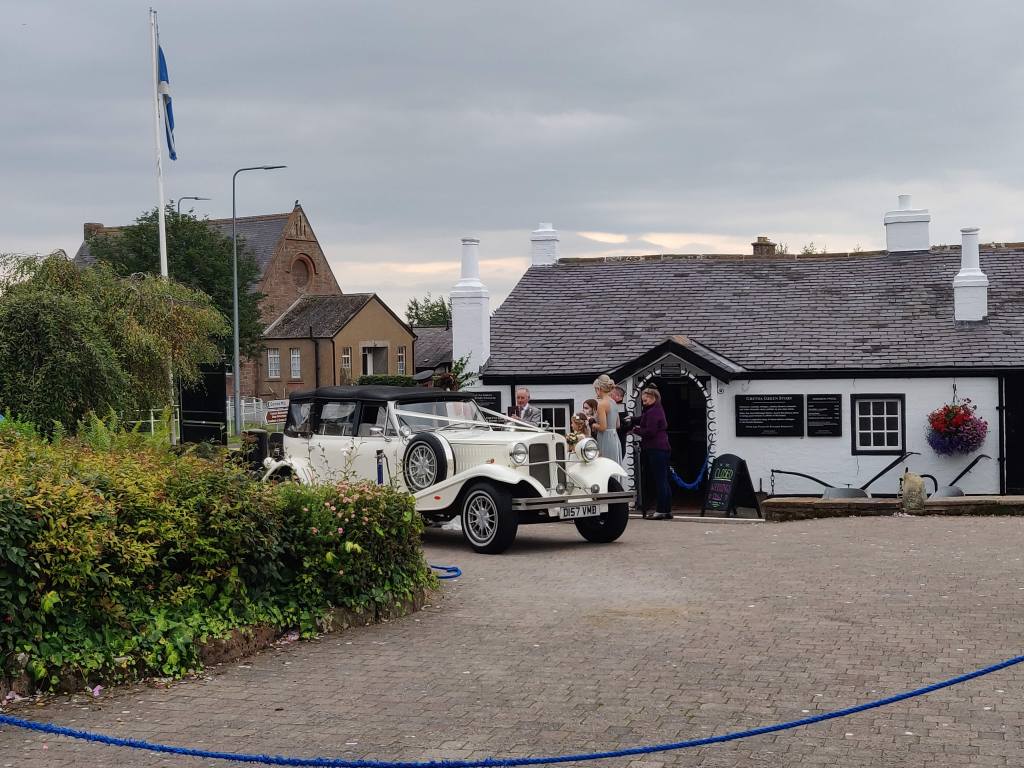
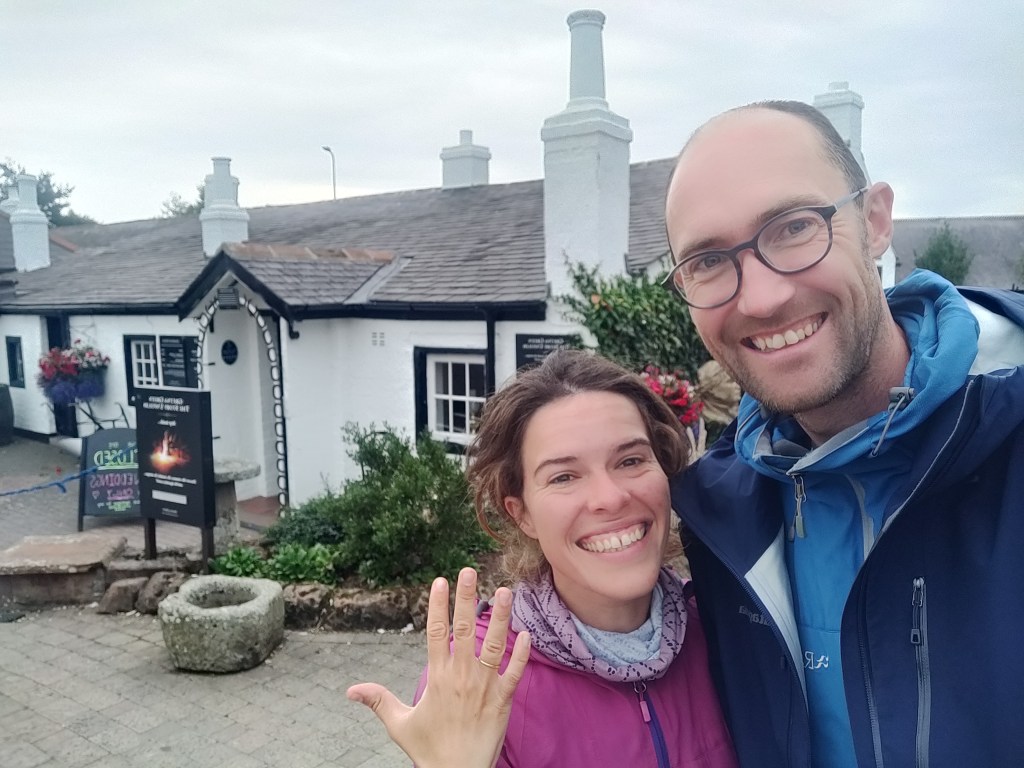
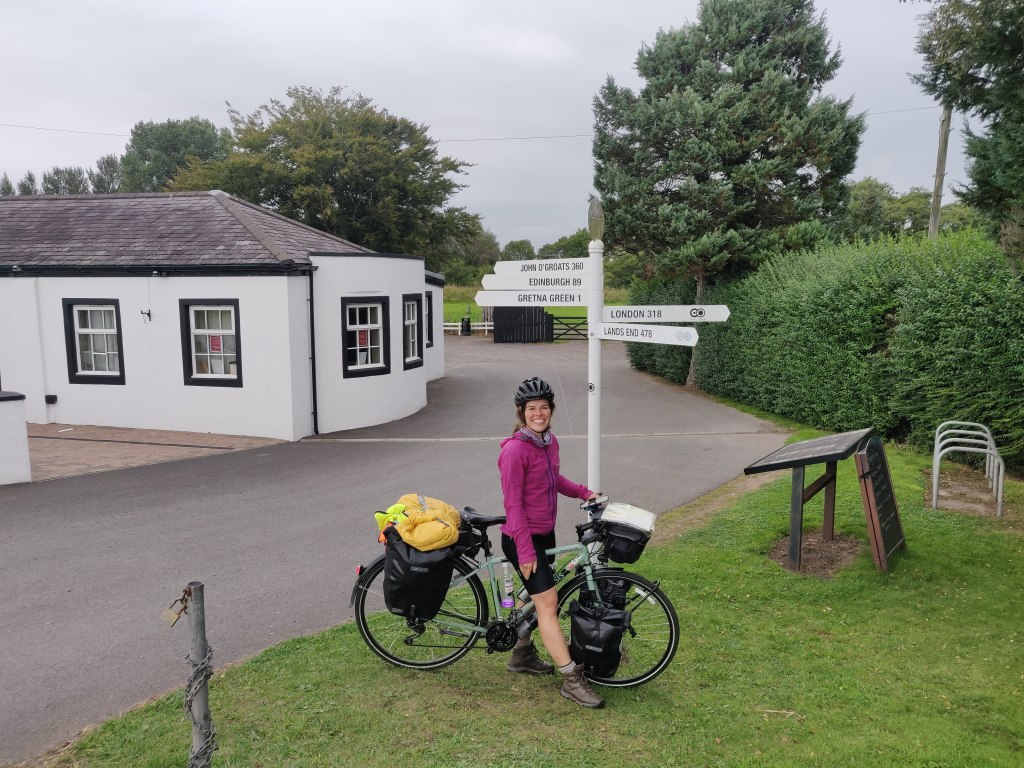
After 45 minutes we were ready to move on and trundled down to the River Sark bridge, and entry to England! Magically, as we looked over the bridge a dash of Kingfisher blue shot down the centre of the river, and the English/Scottish border. What an ending for the Scottish chapter of our adventure!
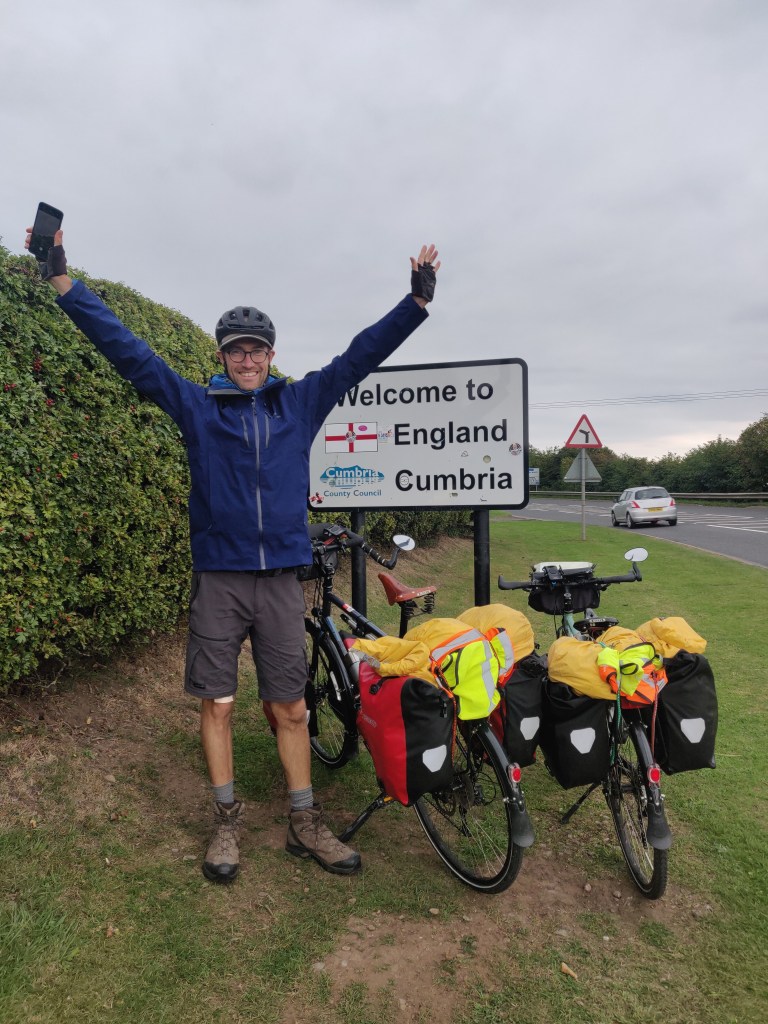
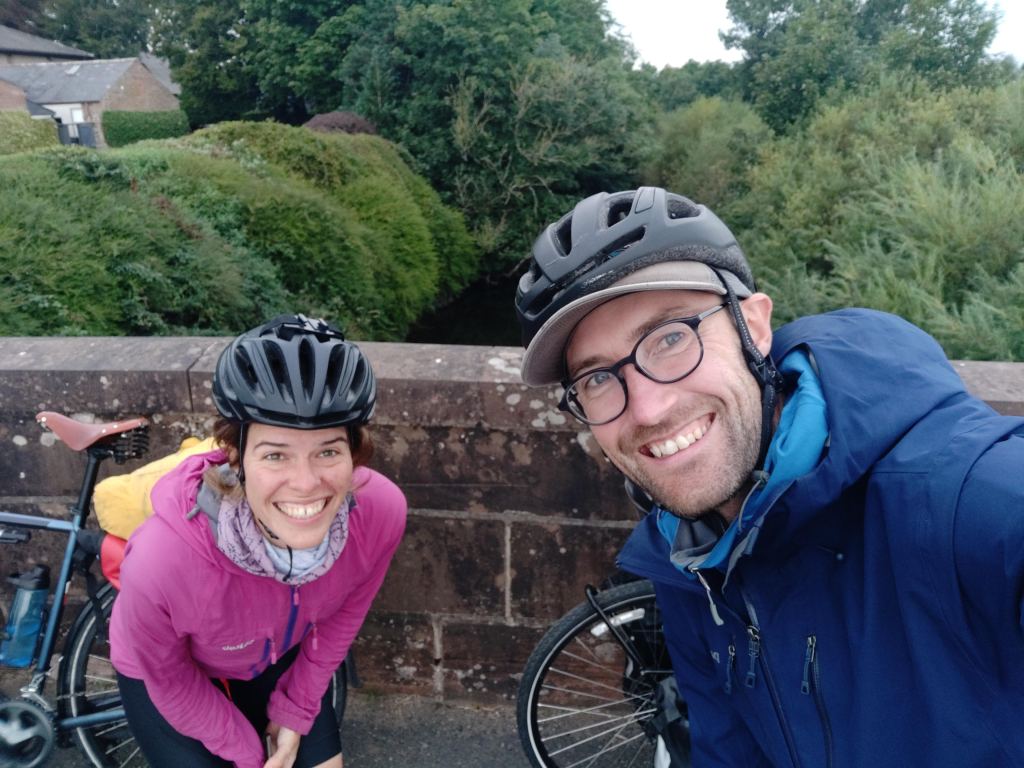
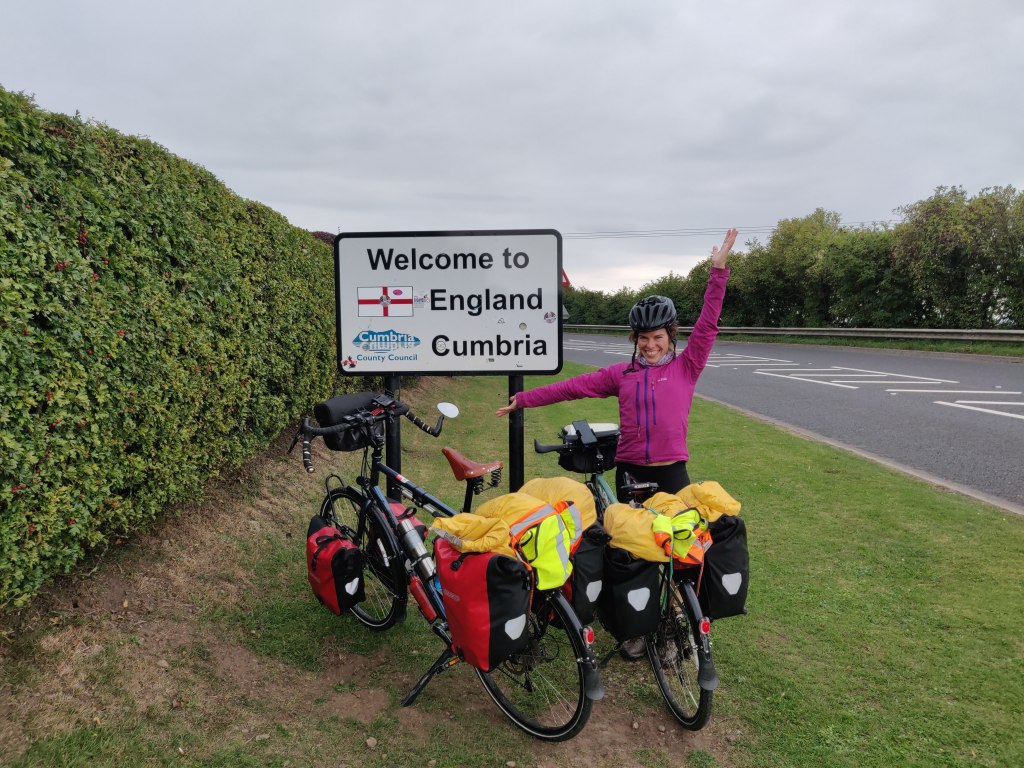
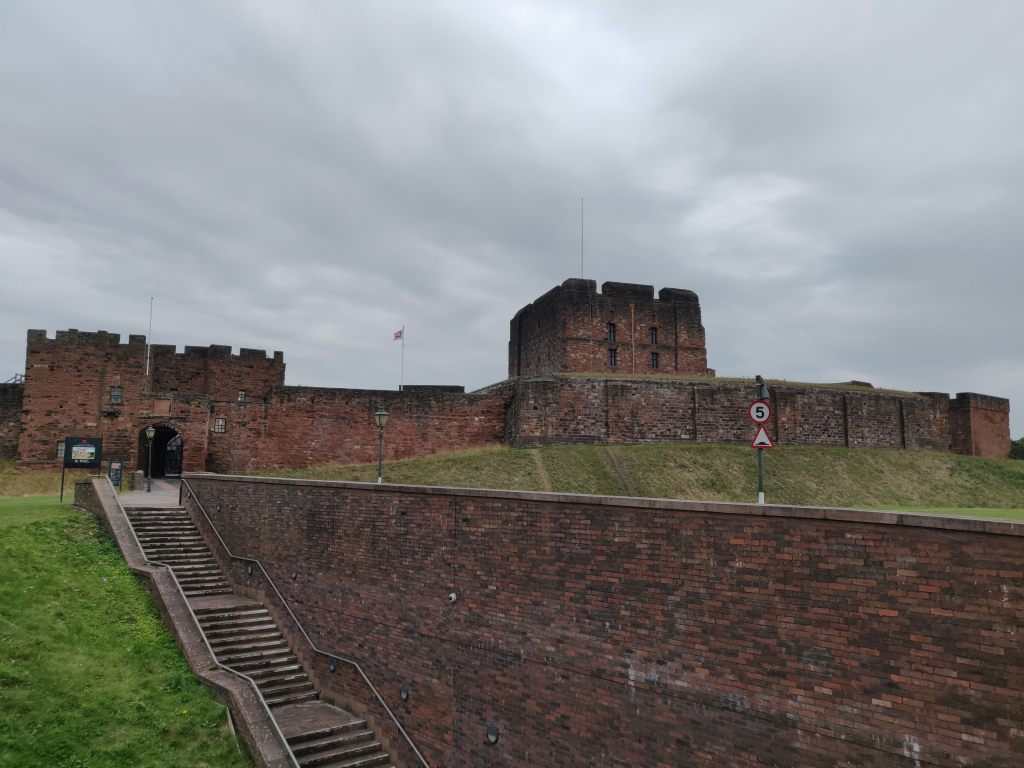
English Route 7 was a bit of a shock to the system, taking us immediately down right next to the M6 motorway for a couple of miles southeast until we had crossed the River Esk. We were relieved to turn off it at Floriston and into the River Eden valley, following minor roads into Carlisle at 5.30 pm. After views of the castle, we managed to navigate our way out of the city along route 72 towards our night stop at Roman Wall Lodges campsite, stopping at a Coop on the way.
It was 7.30 by the time we arrived, and met the very eccentric owner, who insisted on showing us every detail of the campite and informing us of a bizarre set of rules and protocols related to Covid, most of which seemed to contradict one another. We had to be accompanied to use the shower, minimising our time indoors, phone charging was very complicated and hot water was expensive. All water would be turned off at 10am sharp the next morning.
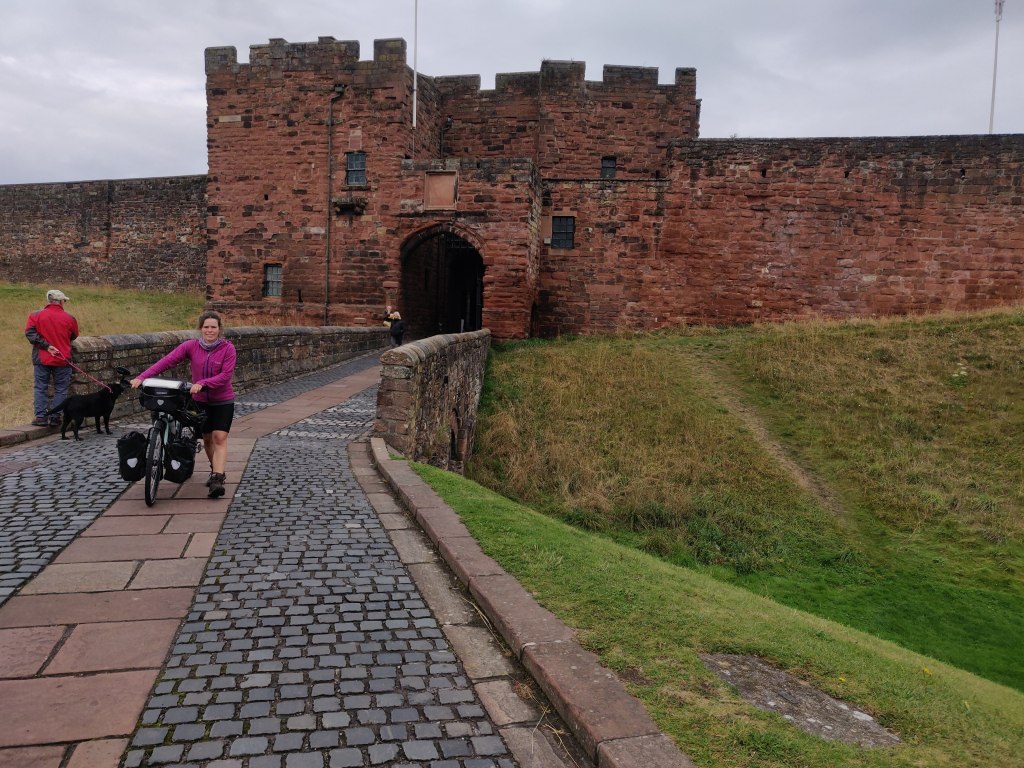
After some hearty dumpling soup we turned in and awoke to heavy rain the next morning. Despite the rain and empty campsite, there ws no flexibility on departure time and we were hurried off the site at 10.15. We cycled the 4 miles back into Carlisle swiftly and headed to the Castle for a look around and shelter from the rain. We went straight to the cafe of the Military Life Museum to warm up with coffee and cake.
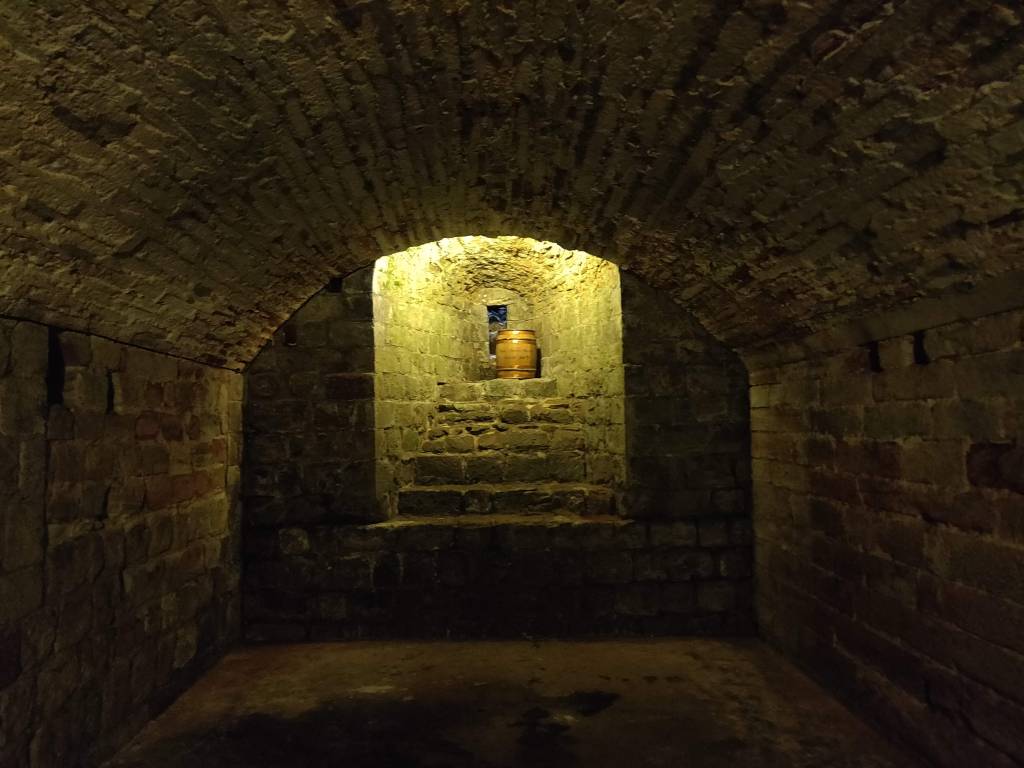
From 1092, “Carlisle Castle was the principal fortress of England’s north-western border with Scotland. A mighty stronghold in the frequent conflict between the two countries, and the base of the lord wardens attempting to control an unruly frontier, the castle has endured more sieges than any other place in the British Isles.”
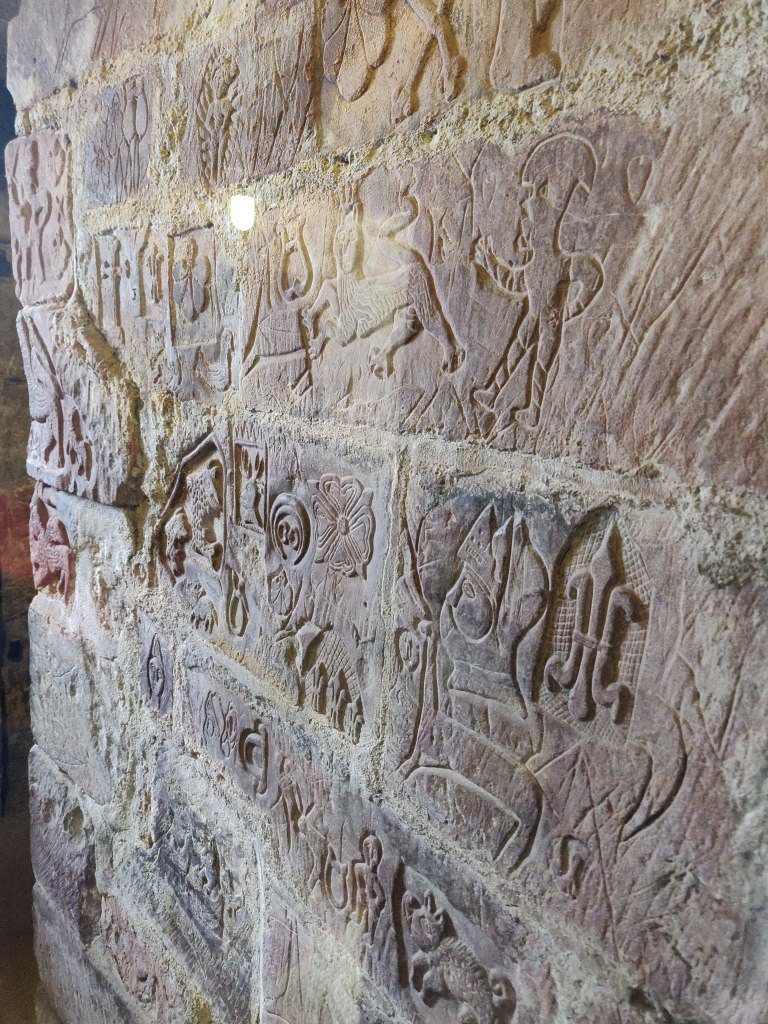
Mysterious stone carvings found in the castle keep include images of a knight, a mermaid and many animals. Originally thought to have been carved by prisoners, recent research suggests that they may be the work of bored prison guards. Probably dating back to the 15th century they show support for the ruling family of the time, the Dacres, and include images of their crests. From the 18th century to the 1960s the castle was the headquarters of the Border Regiment, one of the oldest in the British army.

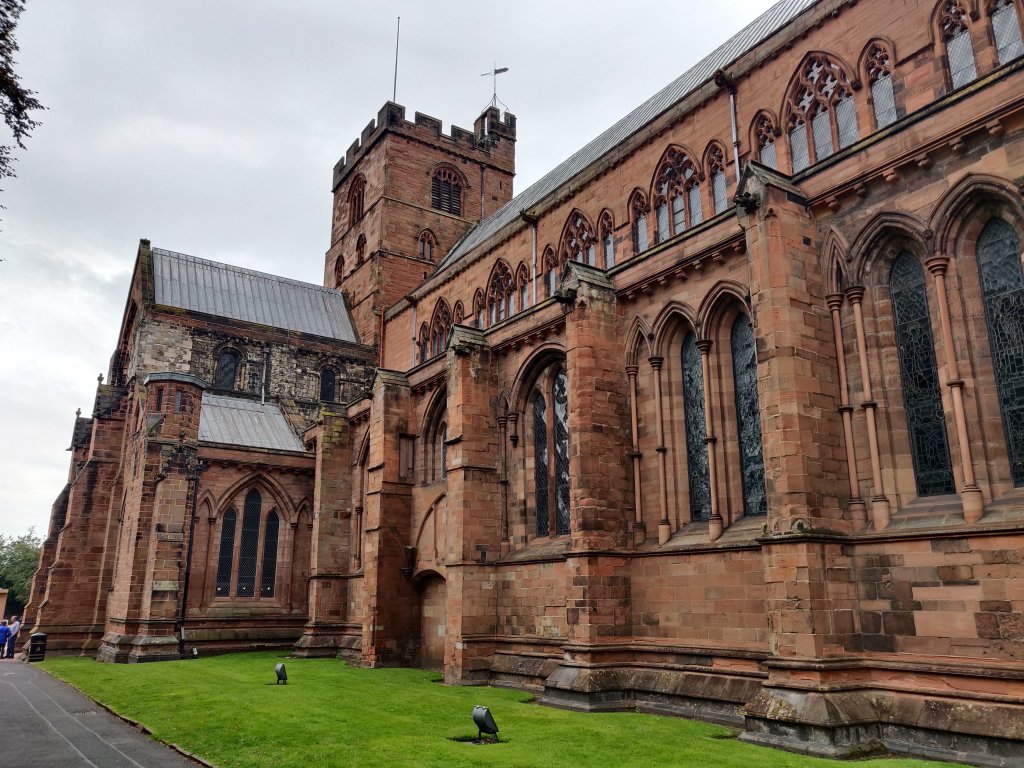
At 1pm we left the castle and had a wander over to the splendid red brick Cathedral. Then south on Route 7 on a cycle path along the River Caldew, to Lidl for supplies. We continued south along the river along the start of the Cumbrian Way walking route, and stopped for a late lunch on a bench near Cummersdale.
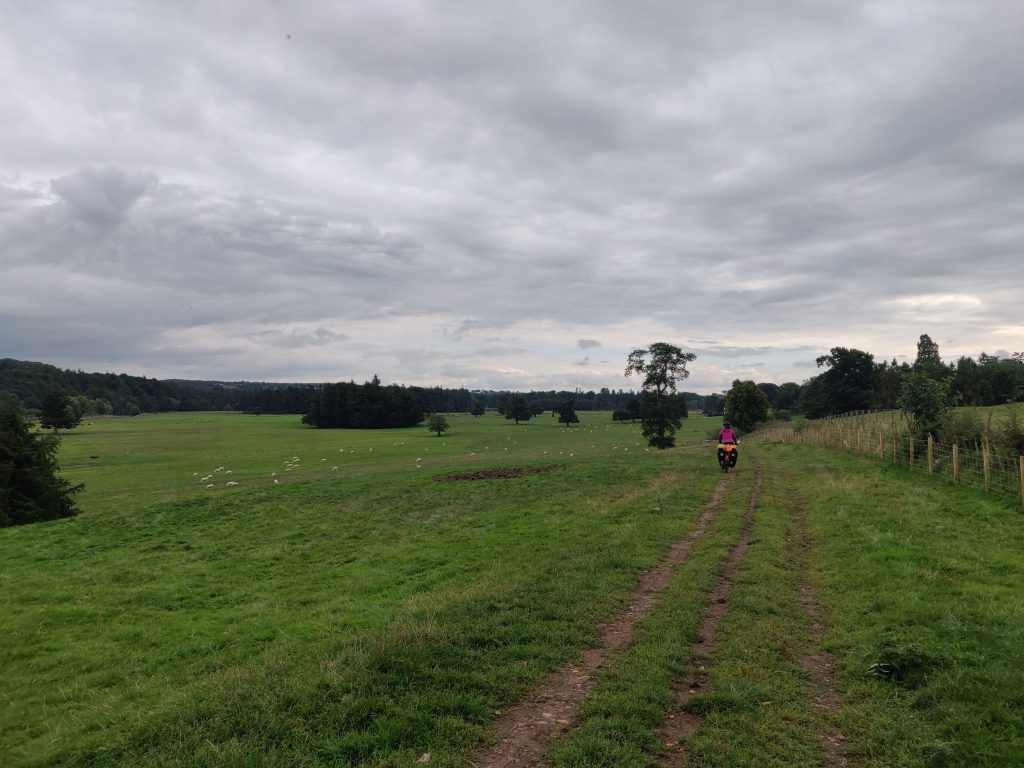
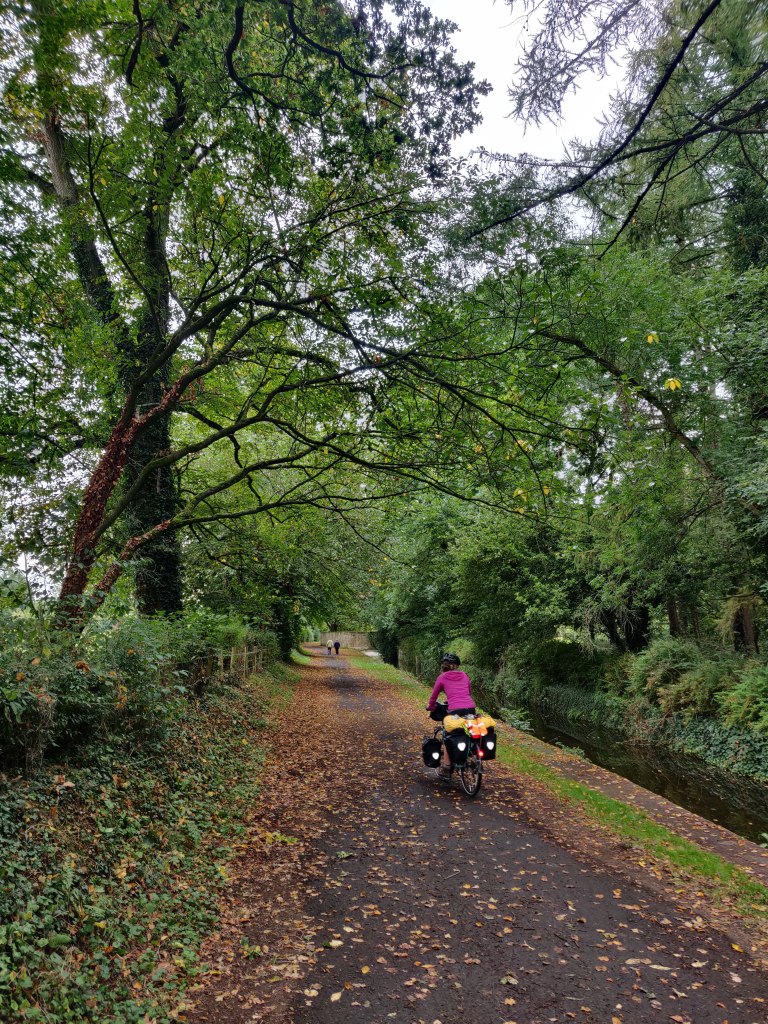
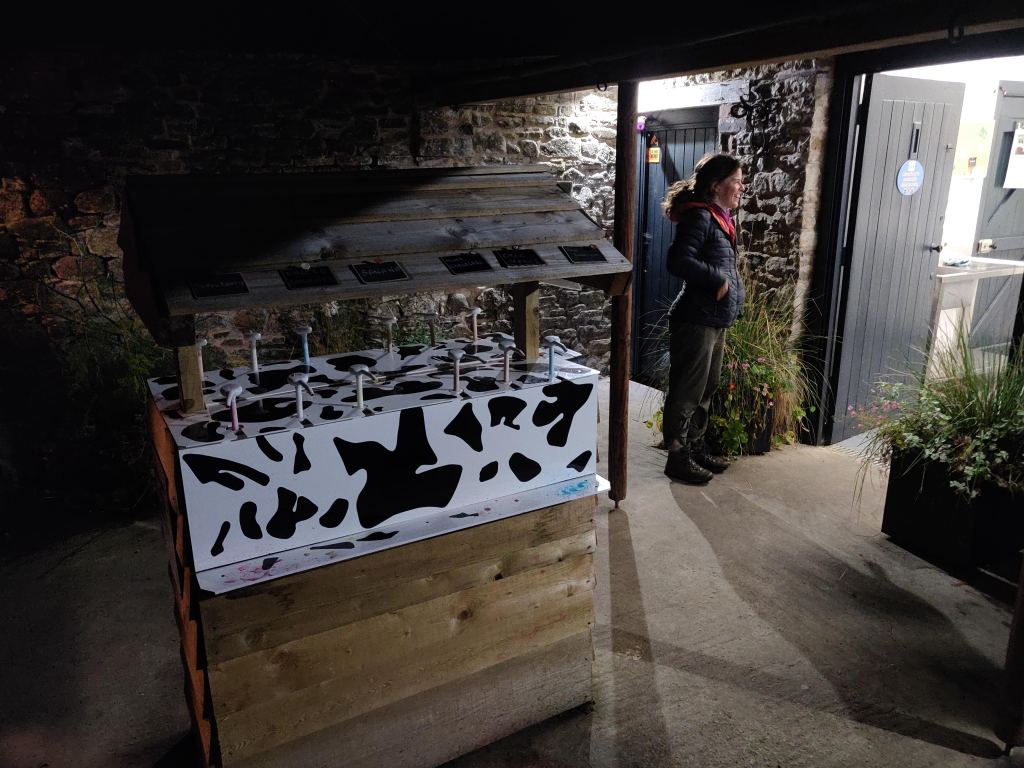
Route 7 continued along the Caldew off road for several miles and then onto minor roads following the river upstream and towards the Lake District National Park. 9 miles from Carlisle we bid Route 7 farewell and turned southwest onto Route 10. We saw the first of several milk vending machines in a barn off the road.
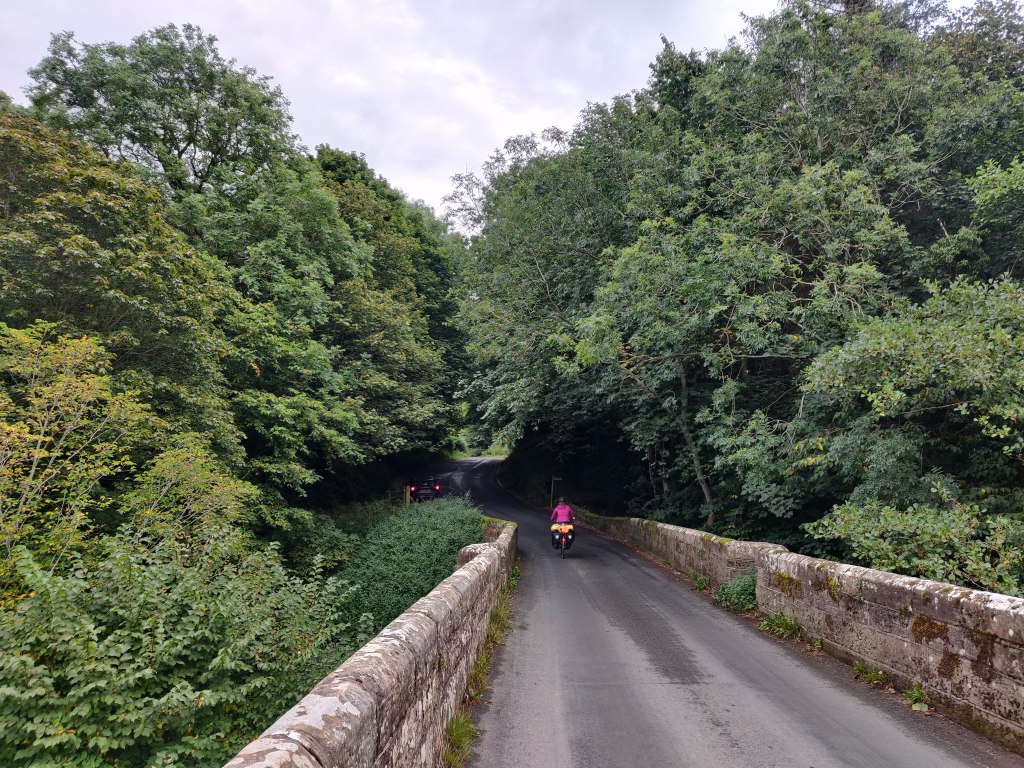
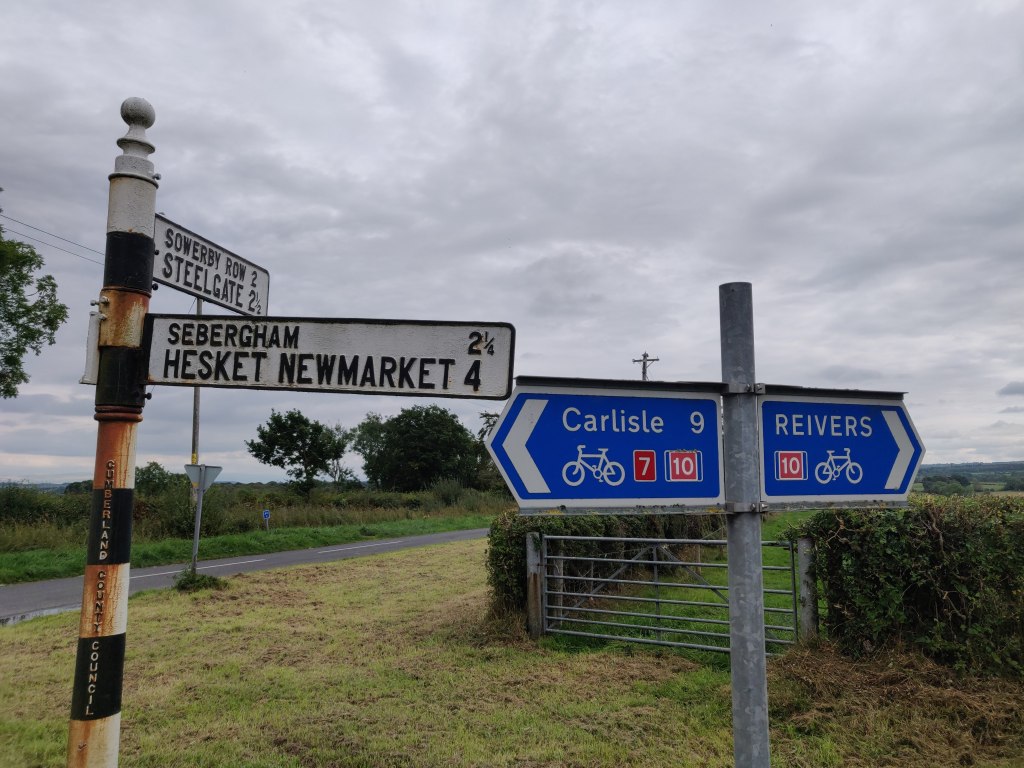
As we entred the National Park, hills were back on the menu and gave our legs a good afternoon workout as we climbed up to 190m, down to 150m to cross the Caldew at Hesket Newmarket, then back up to 220m before turning north of the route into Caldbeck and Caldbeck Camping, our stop for 2 nights.
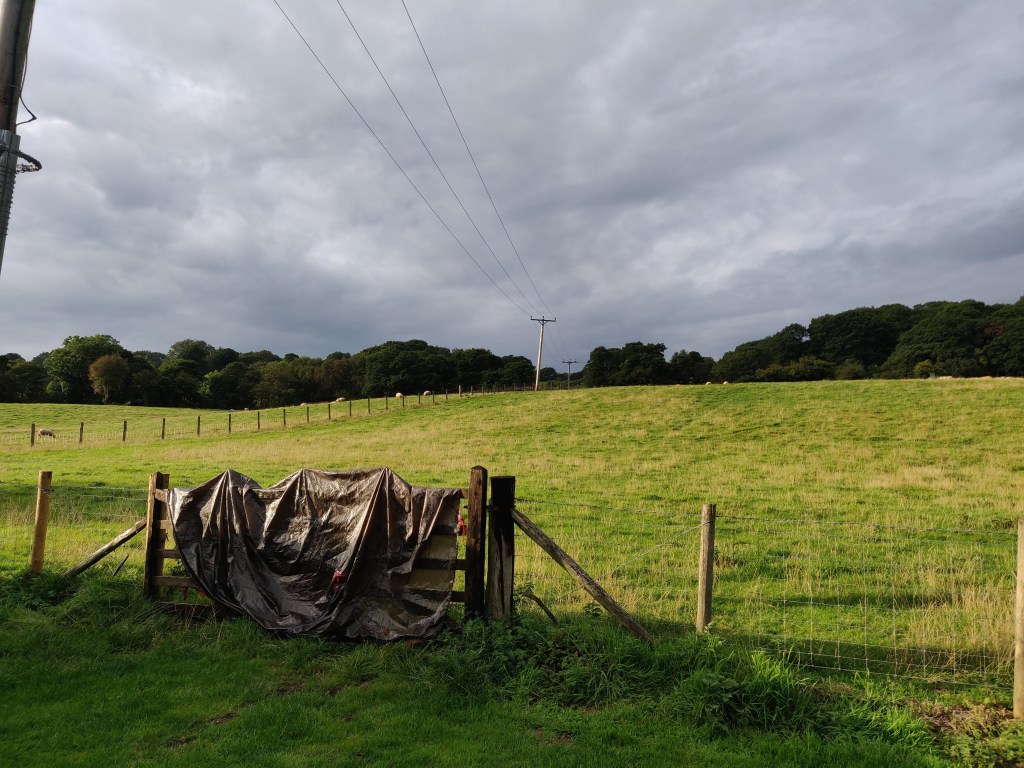
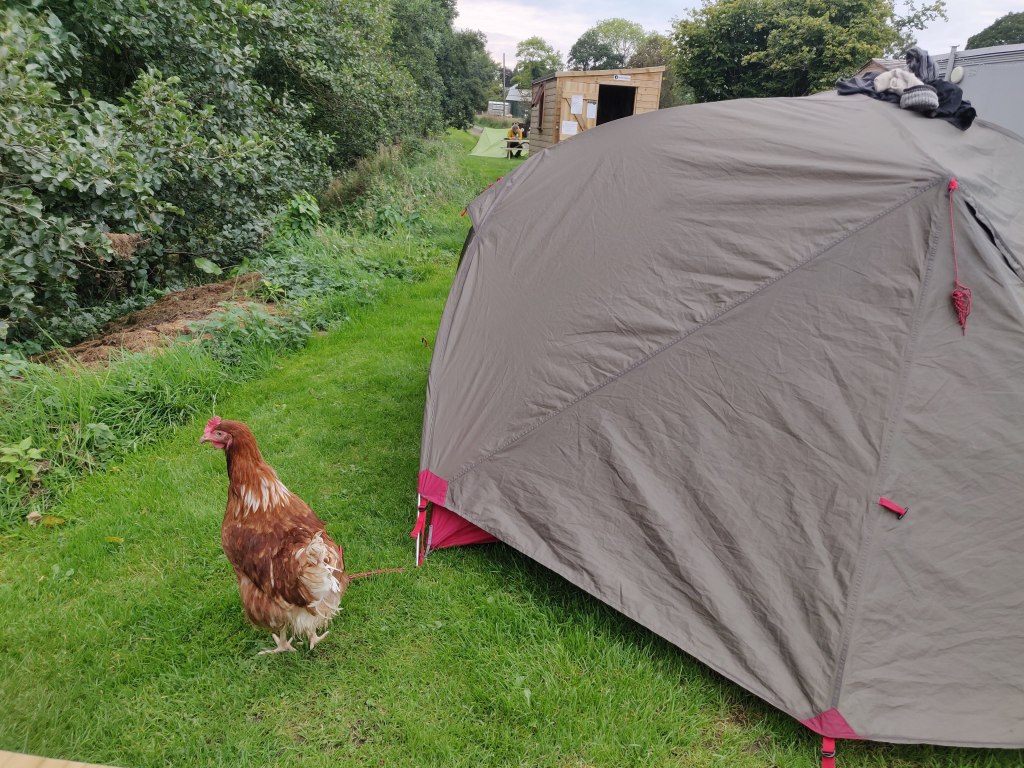
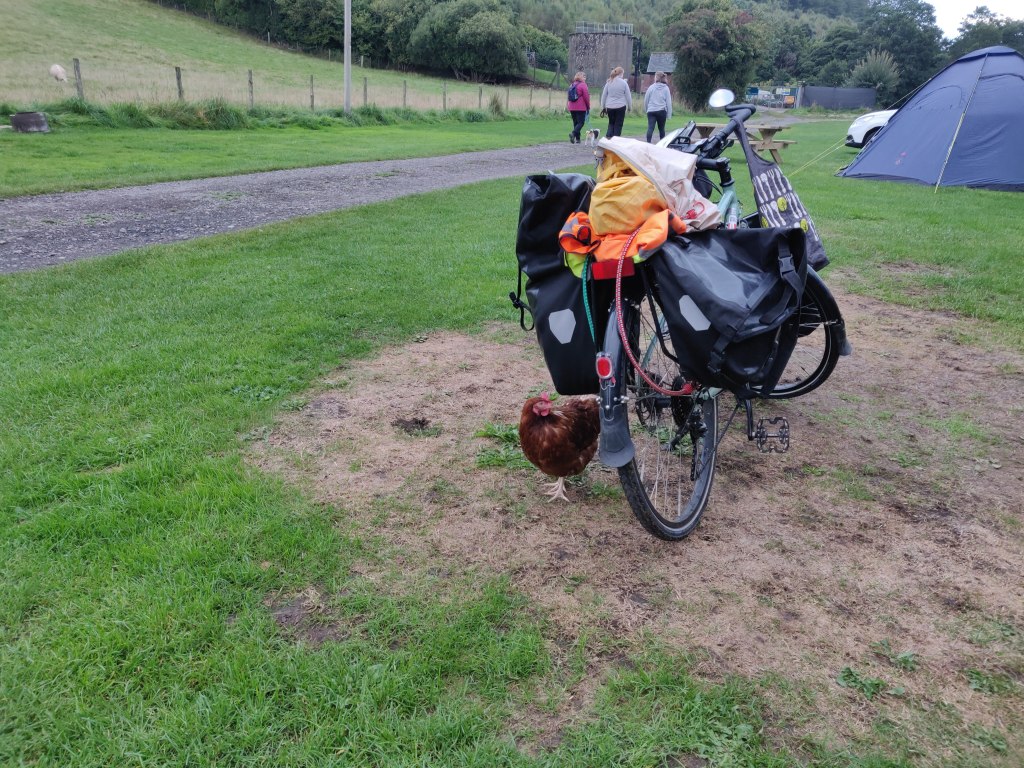
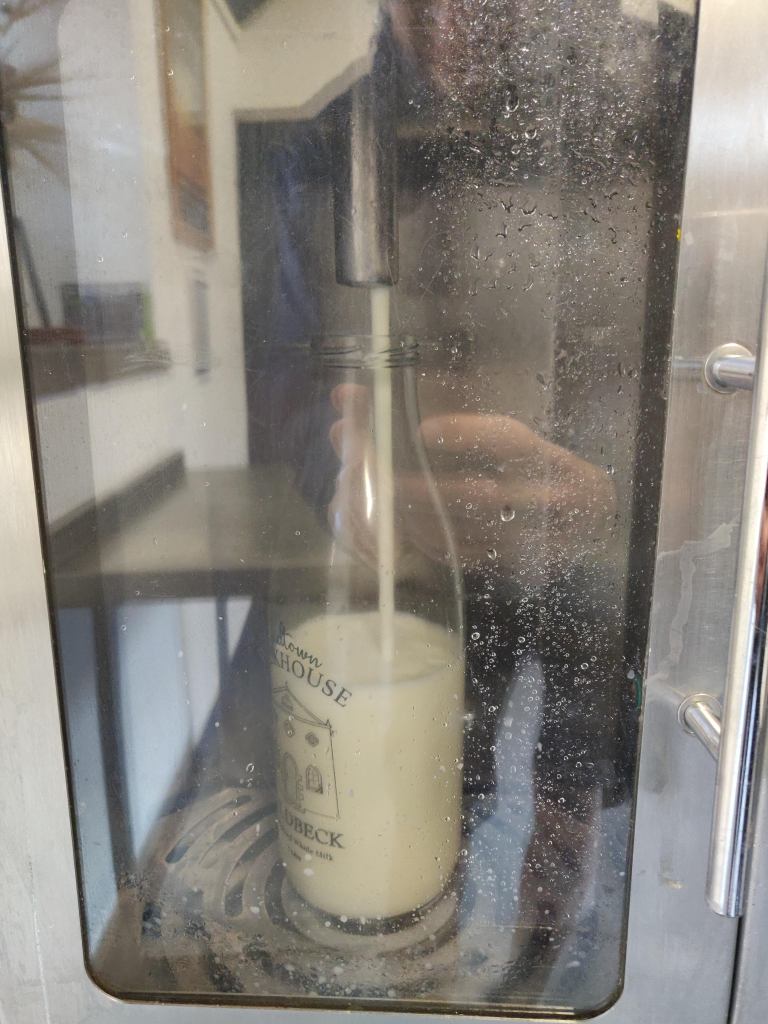
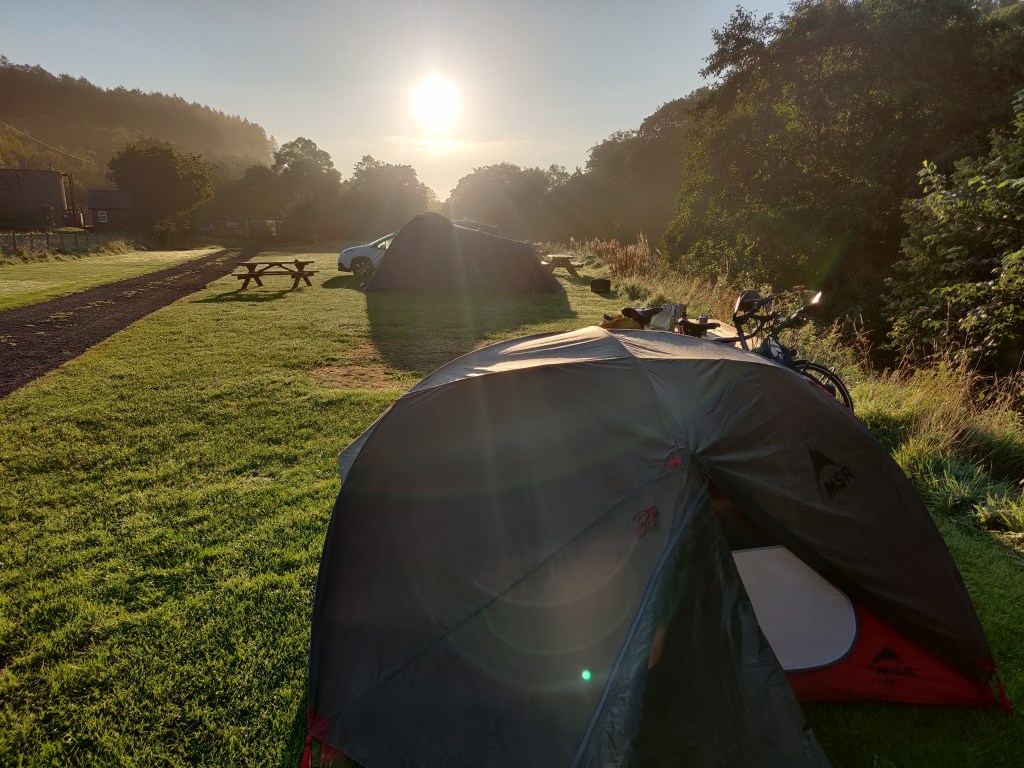
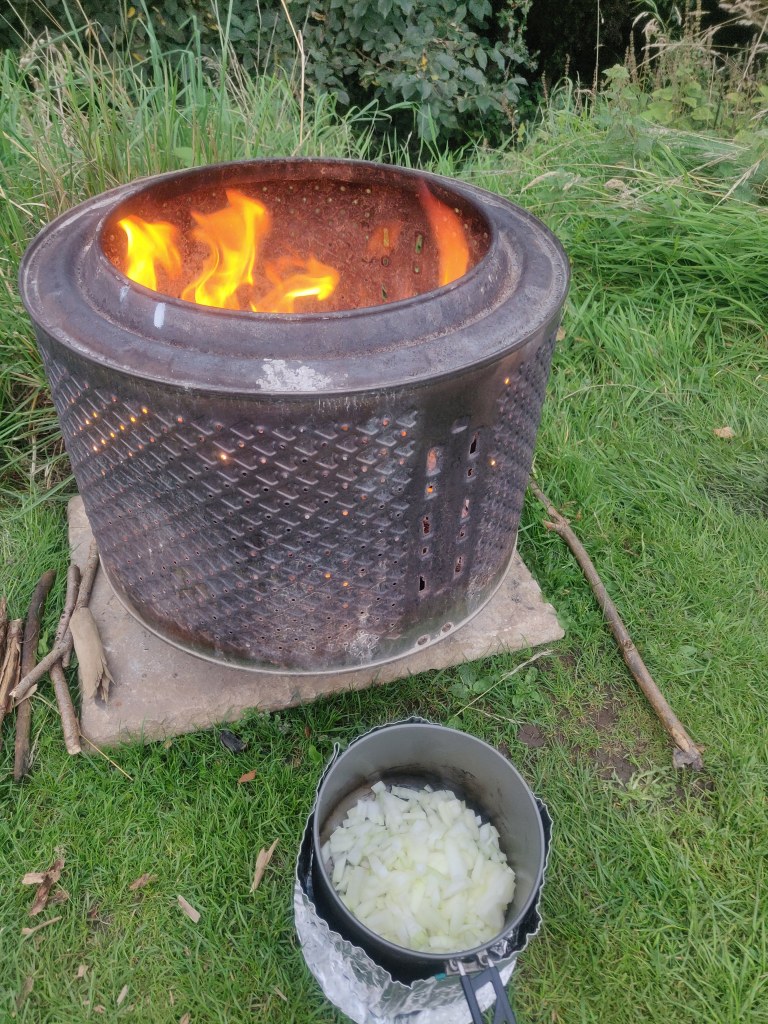
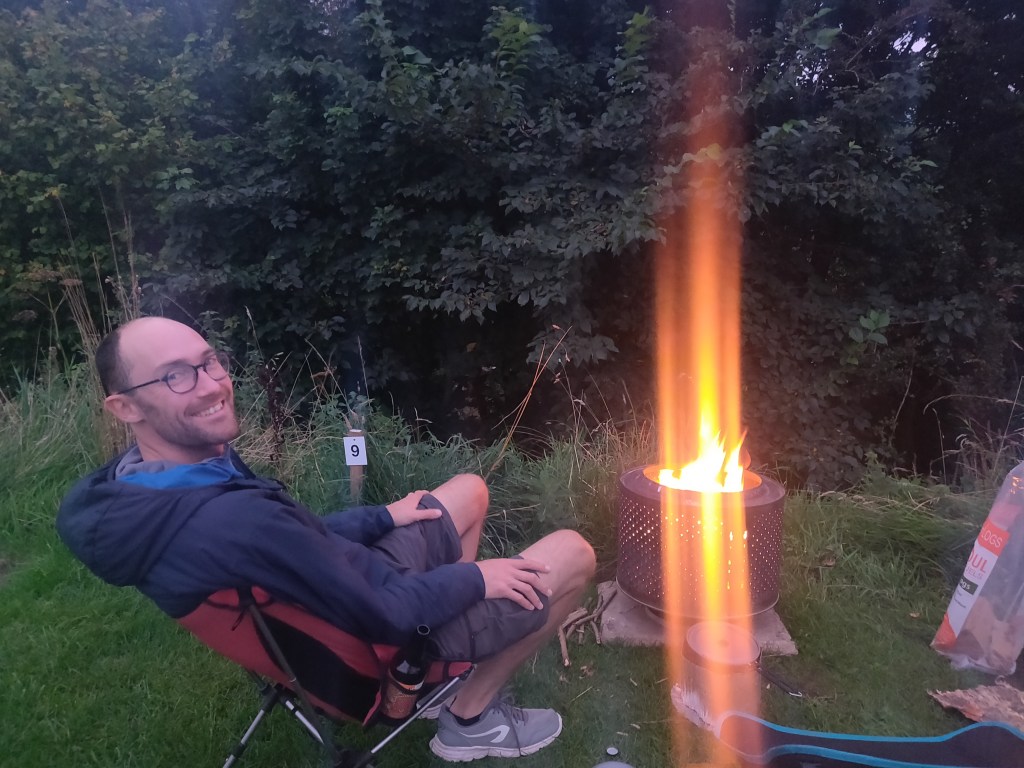
Caldbeck was delightful, the complete opposite of the night before – very basic with a field by a babbling brook and a porta-shower and portaloo, but run by a delightful fell farmer and his dog. A rogue chicken had escaped and was wandering around, which the farmer managed to catch in the end to return to the coop. Firewood was readily available to burn in the washing drum stoves. We enjoyed fresh milk from the village vending machine.
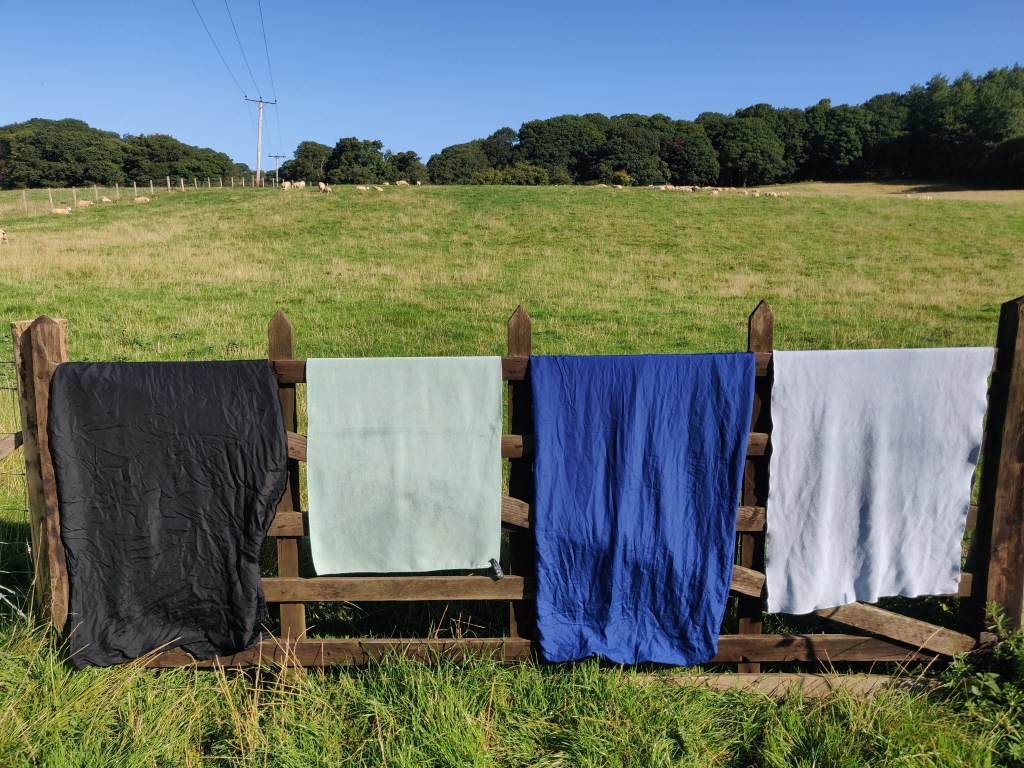
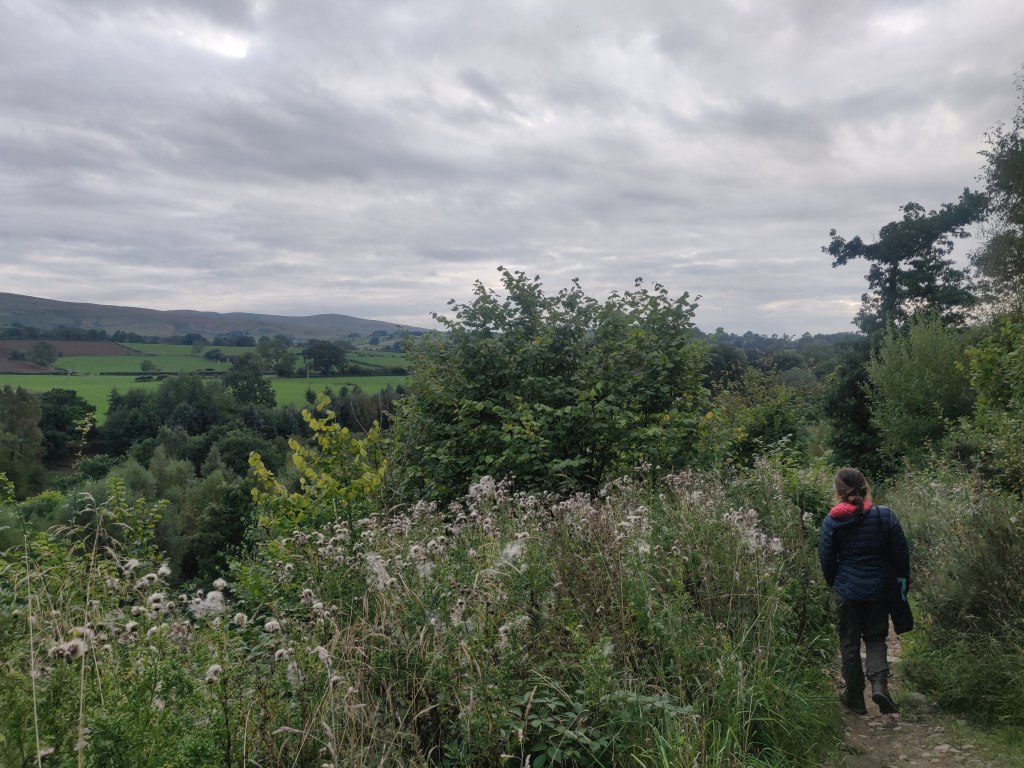
On Wednesday 15th September we rested in glorious sunshine. Scotch pancakes for breakfast, airing clothes/towels, we browsed the village shops and had a walk up the hill behind the campsite on the look out for red squirrels. We met an elderly brother and sister who were staying in a camper van, replicating a trip the woman had made with her husband so many years earlier. Her brother took the top shelf in the van and often had to be tugged out of bed as he couldn’t make it on his own.
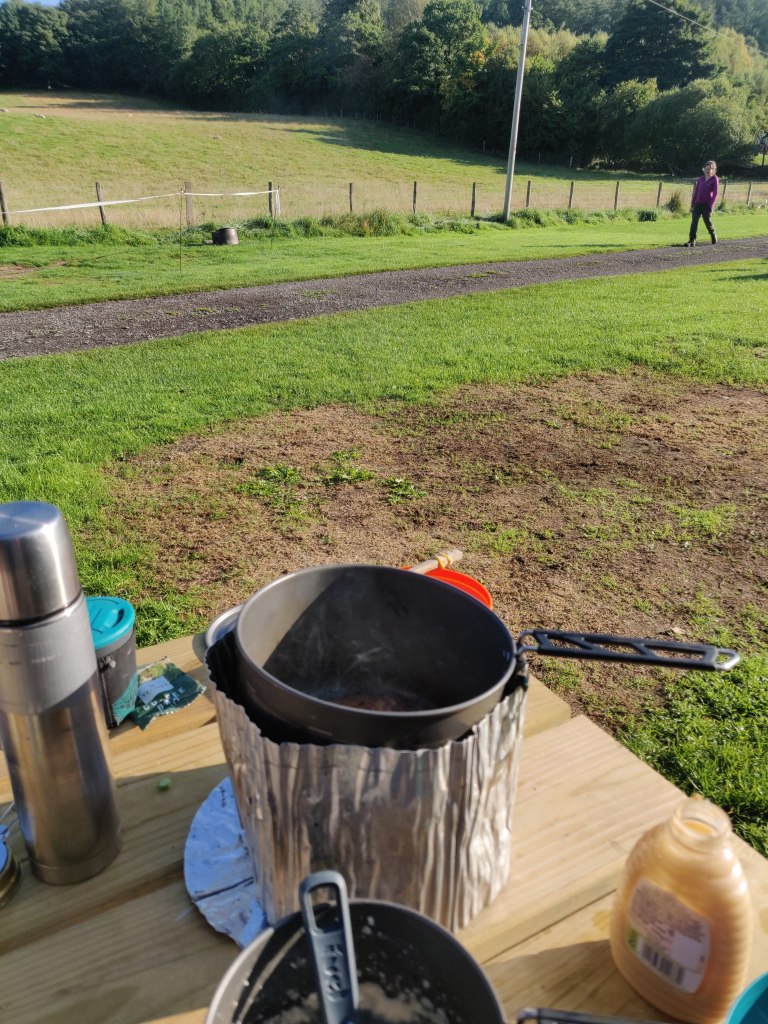
That evening we cooked pasta by an open fire, made from the drum of an old washing machine. Idyllic!

 Pedalling_Patagonia
Just a few days and such a range of aspects explored! Super photos of castles, open landscapes, cottages, widely differing camp sites and camp fires, distilleries and forests. Amazing advertisement for Scotland and the western border. Thank you.
>
LikeLike